
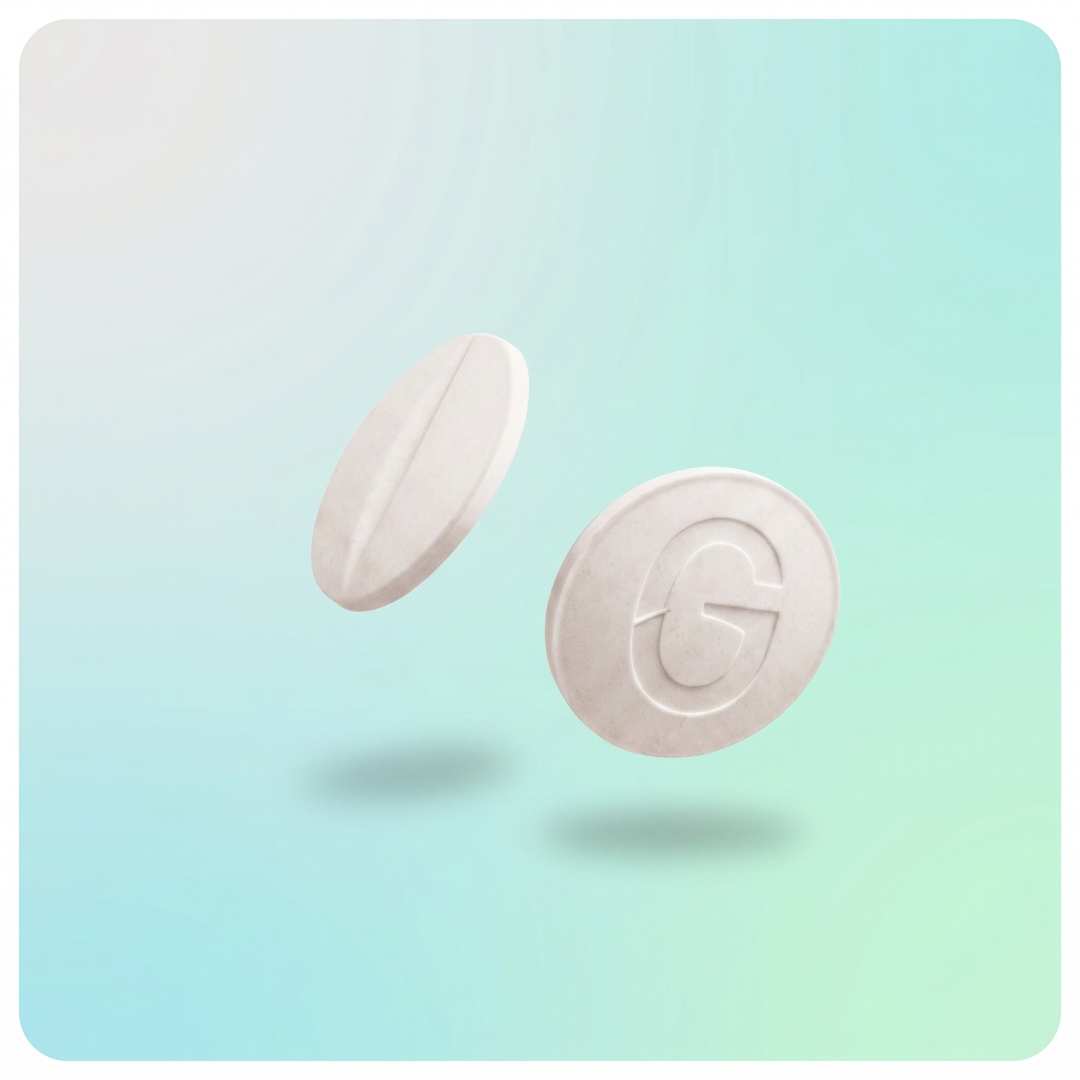
Anastrozole 1mg
Anastrozole 1mg is part of a prescriber-directed hormone or endocrine protocol. It should be selected based on symptoms, diagnosis, labs when appropriate, route preference, contraindications, and ongoing monitoring.
This is a compounded oral capsule containing Anastrozole 1 mg, prepared by Genesis Compounding as a patient-specific, prescriber-directed 503A preparation. Anastrozole is a potent, selective, non-steroidal aromatase inhibitor (AI) that suppresses estrogen biosynthesis by blocking CYP19A1 (aromatase)-mediated conversion of androgens to estrogens. In the compounding context, anastrozole 1 mg is most commonly prescribed for men with hormone-sensitive conditions such as hypogonadism with elevated estrogen, or for specific prescriber-directed off-label uses. This preparation is not FDA-approved as a compounded preparation.
| Active Ingredient | Pharmacologic Role |
|---|---|
| Anastrozole 1 mg | Non-steroidal aromatase inhibitor (Type II) that selectively and reversibly inhibits CYP19A1, the enzyme responsible for the final step in estrogen biosynthesis, reducing circulating estradiol and estrone levels in target tissues and systemically. |
Administered orally as a capsule.
- Typically taken once daily without regard to meals.
- Swallow whole with water at the same time each day to maintain consistent plasma levels.
Anastrozole 1 mg is the standard full-dose aromatase inhibitor strength, established in the oncologic context. In compounded prescribing contexts:
- For male hypogonadism with elevated estradiol: 0.5–1 mg given 2–3 times weekly or daily, depending on clinical context (may differ from oncologic daily dosing).
- At 1 mg daily (the oncologic dose), near-complete estrogen suppression (approximately 80% reduction in plasma estradiol) occurs in postmenopausal women; dosing strategy in men aims for a more modest estradiol reduction to maintain physiologic estrogen levels.
- All dosing is prescriber-determined based on serum estradiol, testosterone, and clinical response.
Anastrozole is a highly selective, competitive, reversible inhibitor of CYP19A1 (aromatase), the microsomal enzyme responsible for converting C19 androgens (androstenedione, testosterone, and 16α-hydroxytestosterone) to the C18 estrogens (estrone, estradiol, and estriol) in the adrenal cortex, liver, adipose, breast, and other peripheral tissues. By blocking aromatase:
- Circulating estradiol and estrone levels fall significantly.
- In postmenopausal women (the primary oncologic target), plasma estradiol can be suppressed by 80–90% from baseline.
- In men and premenopausal women, reduced estrogenic negative feedback on the hypothalamus and pituitary allows increased GnRH and LH/FSH release, which can stimulate endogenous testosterone production (relevant to male hypogonadism management).
Anastrozole 1 mg in the compounding context is typically prescribed for:
- Male secondary hypogonadism with hyperestradiolemia: Elevated estradiol suppresses LH secretion; anastrozole reduces aromatase-mediated testosterone-to-estradiol conversion, restoring HPG axis stimulation of testicular testosterone production.
- Off-label male fertility support: Often combined with clomiphene or used independently to normalize the testosterone/estradiol ratio.
- Note: Anastrozole is FDA-approved for breast cancer treatment in postmenopausal women; compounded use for other indications is off-label and requires documented clinical justification.
Monitoring:
- Serum estradiol (target: avoid suppression below 20 pg/mL in men, which can impair libido, bone, and lipid parameters), total testosterone, LH, FSH, and SHBG at baseline and 4–6 weeks after initiation.
- Bone mineral density (DXA) with long-term use, given estrogen's role in male bone maintenance.
- Lipid profile: estrogen suppression may adversely affect HDL cholesterol.
Contraindications:
- Premenopausal women (risk of ovarian hyperstimulation and teratogenicity at this dose).
- Hypersensitivity to anastrozole or any component.
- Severe hepatic impairment.
Warnings & Precautions:
- Bone loss: estrogen suppression accelerates bone resorption; monitor BMD with long-term therapy.
- Cardiovascular: over-suppression of estradiol in men associated with adverse lipid changes and potential cardiovascular risk.
- In men, estradiol <20 pg/mL is associated with sexual dysfunction, osteoporosis risk, and worsened mood.
- Tamoxifen co-administration markedly reduces anastrozole plasma levels and is generally contraindicated.
Drug Interactions:
- Tamoxifen: reduces anastrozole efficacy — avoid concurrent use.
- Estrogen-containing preparations: antagonize anastrozole's mechanism — avoid concurrent use.
- CYP3A4 interactions are possible; consult prescriber before adding new medications.
Common Side Effects: Hot flushes, joint pain/stiffness (arthralgia), mood changes, fatigue, headache, bone loss with prolonged use, and adverse lipid profile changes.
Store at room temperature (15–25°C), in a dry location away from direct light and heat. Keep tightly sealed. Keep out of reach of children. Observe the beyond-use date assigned by Genesis Compounding per USP <795>.
What is anastrozole used for in men?
In men, anastrozole reduces the conversion of testosterone to estradiol by blocking the aromatase enzyme. This is used to address elevated estrogen levels that suppress natural testosterone production, often as part of a fertility-preserving hormone optimization strategy prescribed by a specialist.
Will anastrozole affect my bones?
Estrogen plays an important role in maintaining bone density in men as well as women. Excessive estrogen suppression (estradiol below 20 pg/mL) can accelerate bone loss. Your prescriber will monitor your estradiol levels carefully and may order bone density testing (DXA) with prolonged use.
Is this preparation FDA-approved?
Anastrozole 1 mg tablets are FDA-approved for breast cancer treatment in postmenopausal women. This compounded capsule preparation from Genesis Compounding is not FDA-approved as a compounded preparation; its use in men or for other indications is prescriber-directed and off-label.
How often are blood tests needed?
Estradiol, total testosterone, LH, FSH, and SHBG should be checked 4–6 weeks after starting therapy, then every 3 months. Your prescriber will adjust the dose based on these results to keep your estradiol in a physiologically appropriate range.
What are signs that my estrogen is too low?
Symptoms of estrogen over-suppression include decreased libido, erectile dysfunction, joint pain, fatigue, and mood changes. Report these to your prescriber, as the dose may need to be reduced or the dosing frequency changed.
Clinical References
Authoritative sources reviewed in preparing this clinical summary. Provided for prescriber reference; not a substitute for the prescriber’s clinical judgment.
Partner with Genesis Compounding
Join a PCAB-accredited 503A compounding pharmacy licensed in all 50 states. Complete onboarding in minutes and start prescribing personalized, compliant formulations for your patients.