
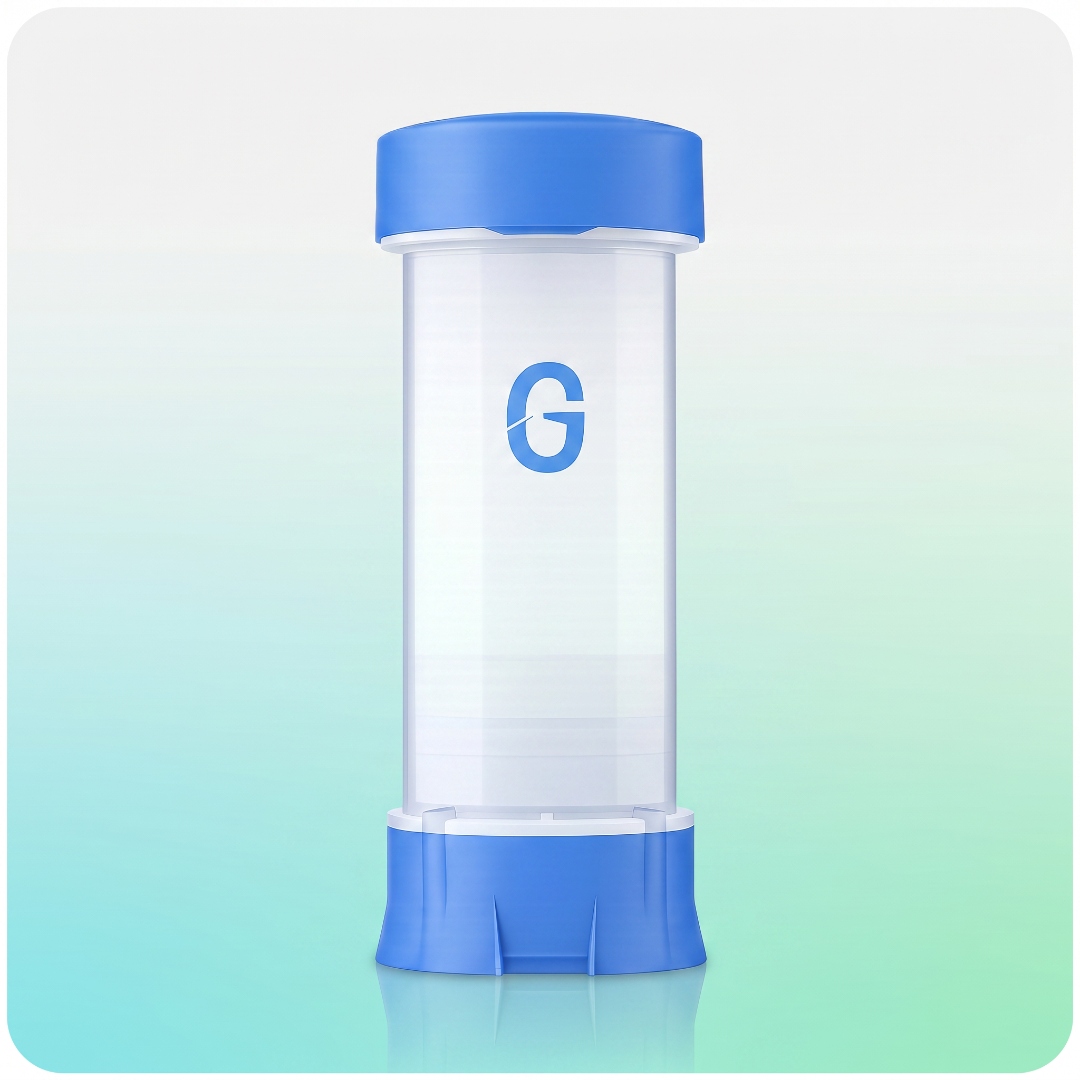
E3/E2 4/4mg/mL (Apply 1 to 2 clicks (1-2 mg) topically QAM)
E3/E2 4/4mg/mL (Apply 1 to 2 clicks (1-2 mg) topically QAM) is a prescriber-directed cream prepared or dispensed for patient-specific use within the Hormone Optimization therapy area. Genesis should dispense this medication only pursuant to a valid prescription and the prescriber's clinical judgment.
E3/E2 4/4mg/mL is a compounded topical gel/cream containing estriol (E3) at 4 mg/mL and estradiol (E2) at 4 mg/mL in a transdermal vehicle. Each click of the metered pump delivers 0.25 mL (1 mg each of E3 and E2); 1–2 clicks delivers 1–2 mg of each estrogen for application to the skin once each morning. This bi-estrogen formulation provides both the systemic potency of estradiol and the tissue-selective activity of estriol. Genesis Compounding prepares this as a prescription-only, patient-specific 503A compounded preparation that is not FDA-approved as a compounded product.
| Active Ingredient | Pharmacologic Role |
|---|---|
| Estriol (E3) 4 mg/mL | Weak, short-acting endogenous estrogen; binds ERα and ERβ with lower affinity and shorter receptor occupancy than estradiol, providing tissue-selective estrogenic activity particularly at mucosal and genitourinary tissues with reduced uterine proliferative potency. |
| Estradiol (E2) 4 mg/mL | Most potent endogenous estrogen; binds ERα and ERβ with high affinity to regulate thermoregulation, bone density, mood, cardiovascular function, skin integrity, and genitourinary tissue health. |
Route: Topical transdermal application.
- Apply 1–2 clicks (1–2 mg per estrogen) to a thin-skinned area each morning (QAM): inner wrist, inner arm, upper inner thigh, or inner labia (if directed for localized effect).
- Rotate application sites daily to prevent local skin reactions and optimize absorption.
- Rub in thoroughly until gel/cream is fully absorbed; do not rinse for at least 60 minutes.
- Wash hands after application; avoid contact with other individuals, particularly children and men, as transdermal estrogen can transfer to others.
- Do not apply to breasts.
Dosing is individualized by the prescribing clinician. Instructed dose: 1–2 clicks (1–2 mg each of E3 and E2) applied topically each morning. General clinical considerations:
- Start at the lower end (1 click) and titrate based on symptom response and serum estradiol monitoring.
- Serum estradiol levels and clinical symptom assessment guide dose titration.
- If the uterus is intact, concomitant progestogen is typically required to protect the endometrium from unopposed estrogenic stimulation.
All dosing adjustments are at the prescriber's discretion.
- Estradiol (E2): Diffuses across cell membranes and binds nuclear estrogen receptors ERα and ERβ, causing receptor dimerization, nuclear translocation, and binding to estrogen response elements (EREs) on target gene promoters. Also activates membrane-bound ERs and GPER, mediating rapid non-genomic signaling through MAPK/ERK, PI3K, and cAMP cascades. Regulates genes governing thermoregulation, bone remodeling, lipid metabolism, cardiovascular function, and collagen synthesis.
- Estriol (E3): Binds ERα and ERβ with lower affinity than estradiol and has a shorter receptor occupancy time, resulting in less sustained receptor activation and reduced proliferative activity on endometrial tissue. Estriol preferentially supports mucosal tissue health (vaginal, urethral) and provides some systemic estrogenic activity. Its shorter receptor occupancy relative to E2 is the pharmacological basis for its inclusion in bi-estrogen compounded preparations.
Clinical Context: Bi-estrogen (E3/E2) topical preparations are used in the management of menopausal hormone therapy, particularly for vasomotor symptoms (hot flashes, night sweats), genitourinary syndrome of menopause (vaginal dryness, dyspareunia), mood changes, skin aging, and bone density maintenance. The combination of estriol and estradiol is a common compounded bioidentical hormone formulation. ACOG guidelines note that compounded bioidentical hormone therapy lacks the evidence base and FDA oversight of commercially approved hormone therapies; prescribers should counsel patients accordingly.
Monitoring:
- Serum estradiol levels at baseline and after 4–8 weeks; target physiologic postmenopausal replacement levels.
- Endometrial safety: in women with an intact uterus, concurrent progestogen is required; consider annual or periodic transvaginal ultrasound (endometrial thickness).
- Annual mammography per standard screening guidelines.
- Blood pressure monitoring.
- Annual clinical reassessment of continued hormone therapy need and risk-benefit.
Contraindications:
- Known, suspected, or history of estrogen-dependent malignancies (breast cancer, endometrial cancer).
- Undiagnosed abnormal uterine bleeding.
- Active or history of deep vein thrombosis (DVT), pulmonary embolism (PE), or arterial thromboembolic disease (stroke, myocardial infarction).
- Active liver disease or impairment.
- Known thrombophilic disorders (Protein C/S deficiency, Factor V Leiden) — relative contraindication; assess individually.
- Pregnancy.
Warnings & Precautions:
- Endometrial cancer risk: unopposed estrogen in women with an intact uterus increases endometrial cancer risk — concurrent progestogen is required.
- Breast cancer: estrogen-containing therapies may increase breast cancer risk with prolonged use — individualize risk-benefit; annual mammography.
- Cardiovascular risk: Women's Health Initiative (WHI) data demonstrated increased risks of stroke and DVT with oral estrogen; transdermal routes may carry lower thromboembolic risk than oral (first-pass hepatic effect avoided), but no long-term compounded product-specific data exist.
- Transfer risk: wash hands after application; avoid skin-to-skin contact with others before absorption is complete.
Drug Interactions:
- CYP3A4 inducers (rifampin, carbamazepine, phenytoin): may decrease estrogen exposure.
- CYP3A4 inhibitors (ketoconazole, erythromycin): may increase estrogen levels.
- Thyroid hormone: estrogens increase TBG, potentially reducing free thyroid hormone — monitor thyroid function.
Common Side Effects: Breast tenderness, nausea, headache, application site reactions (erythema, irritation), mood changes, bloating, and breakthrough spotting (if endometrium is stimulated without adequate progestogen).
Store at controlled room temperature (20–25°C / 68–77°F); do not freeze. Protect from light and heat. Keep container tightly capped between uses. Store out of reach of children and away from male household members and pets to prevent unintended hormone exposure. Use before the beyond-use date assigned by Genesis Compounding.
Why does this formulation contain two estrogens (E3 and E2)?
Estradiol (E2) is the most potent estrogen and provides the primary systemic therapeutic benefit. Estriol (E3) has lower receptor affinity and shorter occupancy, providing additional support for mucosal tissue (vaginal, urethral) with a lower potency profile. Their combination in a 1:1 ratio at equal concentrations reflects a prescriber-directed approach to bioidentical hormone therapy.
Does this require a progestogen?
If the patient has an intact uterus, concurrent progestogen (e.g., progesterone) is essential to protect the endometrium from unopposed estrogenic stimulation, which can lead to endometrial hyperplasia or cancer. Women who have had a hysterectomy may not require progestogen supplementation. Prescribers determine this based on individual anatomy and clinical history.
Is topical estrogen safer than oral estrogen?
Transdermal estrogen bypasses first-pass hepatic metabolism, resulting in lower hepatic estrogen exposure and potentially lower risk of increasing coagulation factors, triglycerides, and thromboembolic events compared to oral estrogen. However, clinical evidence specific to compounded transdermal E3/E2 is limited; prescribers should discuss individual risk-benefit based on the patient's full clinical profile.
How do I prevent hormone transfer to others?
Allow the gel to dry completely (at least 60 minutes) before skin-to-skin contact. Wash hands thoroughly after each application. Children and men are particularly sensitive to exogenous estrogen; store the product securely.
Is this preparation FDA-approved?
This bi-estrogen compounded preparation is not FDA-approved. It is prepared by Genesis Compounding as a prescription-only, patient-specific 503A preparation. ACOG notes that compounded bioidentical hormone preparations lack the FDA-reviewed safety and efficacy data of commercially approved hormone therapies.
Clinical References
Authoritative sources reviewed in preparing this clinical summary. Provided for prescriber reference; not a substitute for the prescriber’s clinical judgment.
Partner with Genesis Compounding
Join a PCAB-accredited 503A compounding pharmacy licensed in all 50 states. Complete onboarding in minutes and start prescribing personalized, compliant formulations for your patients.