
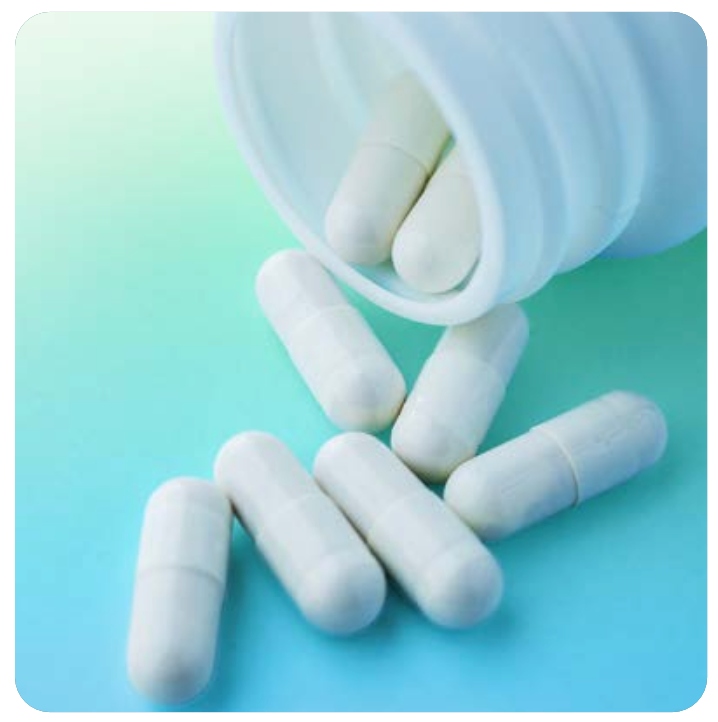
Enclomiphene 25mg
Enclomiphene 25mg is part of a prescriber-directed hormone or endocrine protocol. It should be selected based on symptoms, diagnosis, labs when appropriate, route preference, contraindications, and ongoing monitoring.
Enclomiphene 25mg is an oral capsule containing 25 mg of enclomiphene, the pure trans-isomer of clomiphene and a selective estrogen receptor modulator (SERM). At this higher studied dose, enclomiphene robustly disinhibits the HPG axis, producing significant increases in LH, FSH, and endogenous testosterone in men with secondary hypogonadism, while preserving spermatogenesis. Phase III data demonstrated mean testosterone normalization to approximately 500–604 ng/dL at 25 mg/day. Genesis Compounding prepares this as a prescription-only, patient-specific 503A compounded preparation that is not FDA-approved as a compounded product.
| Active Ingredient | Pharmacologic Role |
|---|---|
| Enclomiphene 25mg | Non-steroidal SERM (pure anti-estrogenic trans-isomer of clomiphene); antagonizes hypothalamic/pituitary estrogen receptors to maximally disinhibit GnRH pulsatility and drive LH/FSH-mediated endogenous testosterone synthesis. |
Route: Oral capsule.
- Take one capsule by mouth once daily, with or without food.
- Administer at the same time each day; morning dosing aligns with the natural testosterone diurnal peak.
- Swallow whole; do not crush or chew.
25 mg once daily is the highest studied dose of enclomiphene in phase II/III clinical trials and was shown to produce the greatest increase in serum testosterone, LH, and FSH. Dosing is prescriber-directed. Key clinical reference points:
- Phase III trial data: 25 mg/day normalized testosterone to mean of 604 ng/dL (vs. 500 ng/dL with transdermal testosterone).
- Testosterone and LH/FSH effects persisted for ≥7 days after discontinuation ("legacy effect").
- Dose-response is generally non-linear above 25 mg; higher doses are not standard.
- Monitor estradiol; the prescriber may co-prescribe an aromatase inhibitor if estradiol rises significantly.
- Enclomiphene (25mg): Competitively antagonizes ERα and ERβ at the hypothalamus and pituitary, eliminating estrogen-mediated suppression of GnRH pulsatility. The resulting sustained elevation of LH maximally stimulates Leydig cell testosterone synthesis. FSH elevation supports Sertoli cell spermatogenesis. The 10-hour half-life allows once-daily dosing. Enclomiphene does not suppress the HPG axis, making it pharmacologically distinct from exogenous testosterone, which shuts down endogenous LH/FSH secretion through negative feedback at the pituitary.
Clinical Context: 25 mg/day enclomiphene is used in men with more significant secondary hypogonadism where the goal is robust testosterone normalization while maintaining fertility. Clinical trials demonstrate equivalent or superior testosterone normalization compared to transdermal testosterone gel (5 g/day) with the added benefit of preserved semen parameters. It may be selected over 12.5 mg when clinical symptoms are more severe or when laboratory targets (e.g., testosterone >400 ng/dL) are not met at lower doses.
Monitoring:
- Serum testosterone (morning), LH, FSH, estradiol at 4–8 weeks after initiation.
- Semen analysis if fertility is relevant.
- Symptom reassessment: energy, libido, mood, cognitive function, body composition.
- Monitor for gynecomastia and breast tenderness (estradiol elevation).
- Visual disturbance assessment at each follow-up.
Contraindications:
- Hypersensitivity to enclomiphene or clomiphene.
- Primary (hypergonadotropic) hypogonadism.
- Pre-existing severe hepatic disease.
- Women: not indicated for female use at this dose/indication.
Warnings & Precautions:
- Estradiol elevation: at 25 mg/day, testosterone aromatization may increase estradiol significantly — prescribers should consider monitoring and whether an aromatase inhibitor is warranted.
- Visual disturbances (blurred vision, scintillating scotomata): rare but documented with clomiphene-class SERMs; discontinue and evaluate ophthalmologically.
- Gynecomastia: monitor breast tissue; treat estradiol elevation if symptomatic.
Drug Interactions:
- Aromatase inhibitors: commonly co-prescribed; monitor for over-suppression of estradiol.
- CYP3A4 inhibitors/inducers may affect enclomiphene exposure.
Common Side Effects: Headache, elevated estradiol, gynecomastia/breast tenderness, mood changes, abdominal discomfort, and rare visual disturbances. Incidence of estrogenic side effects is lower than with racemic clomiphene due to the absence of the agonistic zuclomiphene isomer.
Store at controlled room temperature (20–25°C / 68–77°F). Protect from moisture and light. Keep in tightly sealed container. Store out of reach of children. Use before the beyond-use date assigned by Genesis Compounding.
Is 25mg the maximum dose?
25 mg/day represents the highest dose studied in rigorous phase III clinical trials. Studies did not demonstrate additional benefit at doses above 25 mg, and higher doses were not established as safe or effective for this indication. The prescriber selects the dose appropriate for each patient.
Why might my estradiol increase on enclomiphene?
Enclomiphene increases testosterone production, and some testosterone is naturally converted (aromatized) to estradiol. At 25 mg/day, this conversion can produce a meaningful rise in serum estradiol. The prescriber may co-prescribe a low-dose aromatase inhibitor (e.g., anastrozole 0.1–0.25 mg/day) to manage estradiol and prevent gynecomastia, while avoiding over-suppression.
How long will the testosterone effect last after I stop?
Clinical data show elevated testosterone, LH, and FSH persisting for at least 7 days after discontinuing enclomiphene — a "legacy effect" likely due to residual HPG axis disinhibition. Unlike TRT, there is no prolonged hypogonadal window after stopping, though testosterone will eventually return to baseline without continued treatment.
Can I take this if I want to have children?
Yes — enclomiphene stimulates both testosterone and FSH, supporting spermatogenesis. Multiple clinical trials confirmed preservation of sperm counts during enclomiphene treatment, in contrast to TRT which typically causes azoospermia. Men concerned about fertility should discuss this distinction with their prescriber.
Is this FDA-approved?
Enclomiphene is not FDA-approved for male secondary hypogonadism. This is a patient-specific, compounded 503A preparation prepared by Genesis Compounding under prescriber direction.
Clinical References
Authoritative sources reviewed in preparing this clinical summary. Provided for prescriber reference; not a substitute for the prescriber’s clinical judgment.
Partner with Genesis Compounding
Join a PCAB-accredited 503A compounding pharmacy licensed in all 50 states. Complete onboarding in minutes and start prescribing personalized, compliant formulations for your patients.