
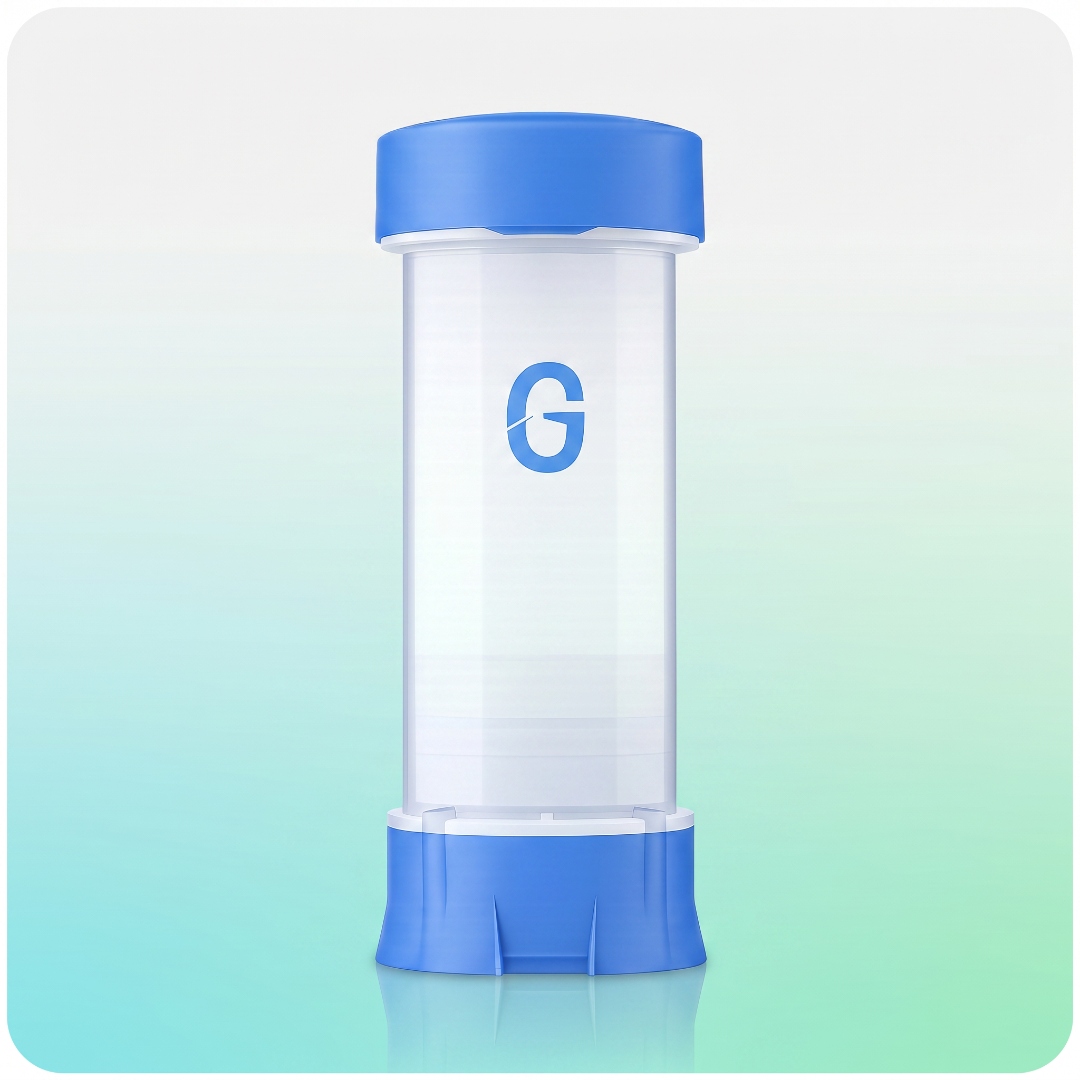
Estradiol Gel 37.5gm 0.06%
Estradiol Gel 37.5gm 0.06% is part of a prescriber-directed hormone or endocrine protocol. It should be selected based on symptoms, diagnosis, labs when appropriate, route preference, contraindications, and ongoing monitoring.
Estradiol Gel 37.5gm 0.06% is a 37.5-gram metered-dose transdermal gel containing 0.06% estradiol (0.6 mg/g; approximately 0.75 mg per gram of gel). Applied topically once daily, it delivers systemic estradiol through the skin, bypassing first-pass hepatic metabolism. This formulation is used for systemic estrogen therapy in menopausal women. Genesis Compounding prepares this as a prescription-only, patient-specific 503A compounded preparation that is not FDA-approved as a compounded product.
| Active Ingredient | Pharmacologic Role |
|---|---|
| Estradiol 0.06% (0.6 mg/g) | Bioidentical 17β-estradiol; binds ERα and ERβ to regulate thermoregulation, bone metabolism, genitourinary tissue integrity, mood, skin collagen, and cardiovascular function in estrogen-deficient postmenopausal women. |
Route: Topical transdermal gel.
- Apply once daily to clean, dry, intact skin — typically the upper arm, inner forearm, or thigh (as directed by the prescriber). Do not apply to the breast or genitals unless specifically directed.
- Apply a measured dose (number of pump actuations or measured volume per prescriber's instruction) and spread gently over a 5–7 cm area; allow to dry for 1–2 minutes before dressing.
- Rotate application sites slightly daily to reduce local skin reactions.
- Wash hands immediately after application.
- Avoid skin-to-skin transfer to others (especially children and men) until the gel has dried completely.
Dosing is prescriber-directed based on symptom control and serum estradiol levels. Reference dosing from FDA-approved 0.06% estradiol gel products (e.g., EstroGel®):
- Typical starting dose: 1.25 g (one pump actuation) applied daily = approximately 0.75 mg estradiol/day delivered.
- The dose may be adjusted upward (up to 2.5 g/day) or downward based on clinical response and serum estradiol.
- The 37.5 g container provides approximately 30 days of therapy at the standard 1.25 g/day dose.
- In women with an intact uterus, concurrent progestogen is required.
- Estradiol (0.06% transdermal): 17β-estradiol is the predominant, most potent endogenous estrogen. Upon transdermal absorption, it distributes systemically and binds nuclear estrogen receptors ERα and ERβ, causing dimerization, nuclear translocation, and transcriptional regulation of estrogen-responsive genes. Non-genomic rapid signaling occurs via membrane-bound ERs (GPER, mERα, mERβ) through MAPK, PI3K, and cAMP cascades. Regulates hypothalamic thermostat neurons (vasomotor symptoms), osteoclast/osteoblast balance (bone density), vaginal epithelial cell proliferation and lubrication, serotonergic and noradrenergic tone (mood), vascular tone and endothelial NO production (cardiovascular), and skin fibroblast collagen synthesis.
Clinical Context: Transdermal estradiol gel at 0.06% is used for systemic menopausal hormone therapy: vasomotor symptoms (hot flashes, night sweats), genitourinary syndrome of menopause (vaginal dryness, dyspareunia, urgency), mood disturbance, prevention of bone loss, and skin changes associated with estrogen deficiency. The transdermal route avoids hepatic first-pass metabolism, resulting in lower hepatic estrogen exposure and potentially lower risk of thrombotic and lipid effects compared to oral estrogen. Serum estradiol at therapeutic levels is typically in the 30–100 pg/mL range.
Monitoring:
- Serum estradiol at baseline and after 4–8 weeks of therapy; target physiologic replacement levels.
- Endometrial surveillance: in women with an intact uterus, annual or periodic transvaginal ultrasound (endometrial thickness) if unexplained bleeding occurs; concurrent progestogen is required.
- Annual mammography per standard screening guidelines.
- Blood pressure monitoring.
- Annual assessment of continued HRT need and risk-benefit ratio.
Contraindications:
- Known, suspected, or personal history of estrogen-dependent malignancies (breast, endometrial).
- Undiagnosed abnormal uterine bleeding.
- Active or prior VTE (DVT, PE) or arterial thromboembolic disease.
- Known thrombophilic disorders.
- Active liver disease or hepatic impairment.
- Pregnancy.
Warnings & Precautions:
- Endometrial cancer risk with unopposed estrogen: concurrent progestogen required in non-hysterectomized patients.
- Breast cancer: estrogen may increase risk with long-term use — individualize risk-benefit; annual mammography.
- Cardiovascular and thromboembolic risk: WHI data showed increased risk of stroke with oral CE; transdermal estradiol avoids first-pass hepatic procoagulant effects but is not risk-free.
- Transfer risk: avoid skin contact with others until gel dries.
- Thyroid function: estrogens increase TBG; may affect free thyroid hormone levels — monitor in patients on thyroid replacement.
Drug Interactions:
- CYP3A4 inducers (rifampin, carbamazepine, phenytoin): may reduce estradiol levels.
- CYP3A4 inhibitors: may increase estradiol exposure.
- Thyroid hormone therapy: monitor TSH/free T4 as TBG increases with estrogen.
Common Side Effects: Breast tenderness, headache, nausea, application site reactions (erythema, pruritus), bloating, breakthrough spotting, and mood changes.
Store at controlled room temperature (20–25°C / 68–77°F). Do not freeze. Protect from light and heat. Keep pump tightly capped between uses. Store out of reach of children and away from pets and male household members. The 37.5 g container has a finite number of metered doses; use within the beyond-use date assigned by Genesis Compounding.
How much estradiol does each pump deliver?
At 0.06% concentration, one gram of gel contains 0.6 mg estradiol. A standard metered pump actuation delivers approximately 1.25 g of gel, providing approximately 0.75 mg of estradiol per actuation. The prescriber specifies the number of actuations per dose.
Do I need a progestogen with this gel?
If you have an intact uterus, yes — unopposed estrogen stimulates endometrial proliferation and increases the risk of endometrial hyperplasia and cancer. A concurrent progestogen (typically progesterone) is required. Women who have had a hysterectomy generally do not require progestogen. The prescriber determines this based on your history.
Why is the transdermal route preferred over oral estradiol?
Transdermal estradiol avoids first-pass hepatic metabolism, resulting in lower hepatic estrogen exposure, less impact on coagulation factors and SHBG production, and potentially lower thromboembolic risk compared to oral estradiol. It also produces more stable, steady-state serum estradiol levels.
How do I prevent the gel from transferring to others?
Allow the gel to dry completely (approximately 1–2 minutes) before dressing and at least 30–60 minutes before skin-to-skin contact. Wash hands thoroughly after application. Children and men are particularly sensitive to exogenous estrogen; keep the product secured and away from shared surfaces.
Is this product FDA-approved?
An FDA-approved 0.06% estradiol topical gel (EstroGel®) exists. This compounded preparation from Genesis Compounding is prepared at the same concentration as a patient-specific 503A product under prescriber direction and is not itself FDA-approved as a compounded preparation.
Clinical References
Authoritative sources reviewed in preparing this clinical summary. Provided for prescriber reference; not a substitute for the prescriber’s clinical judgment.
Partner with Genesis Compounding
Join a PCAB-accredited 503A compounding pharmacy licensed in all 50 states. Complete onboarding in minutes and start prescribing personalized, compliant formulations for your patients.