
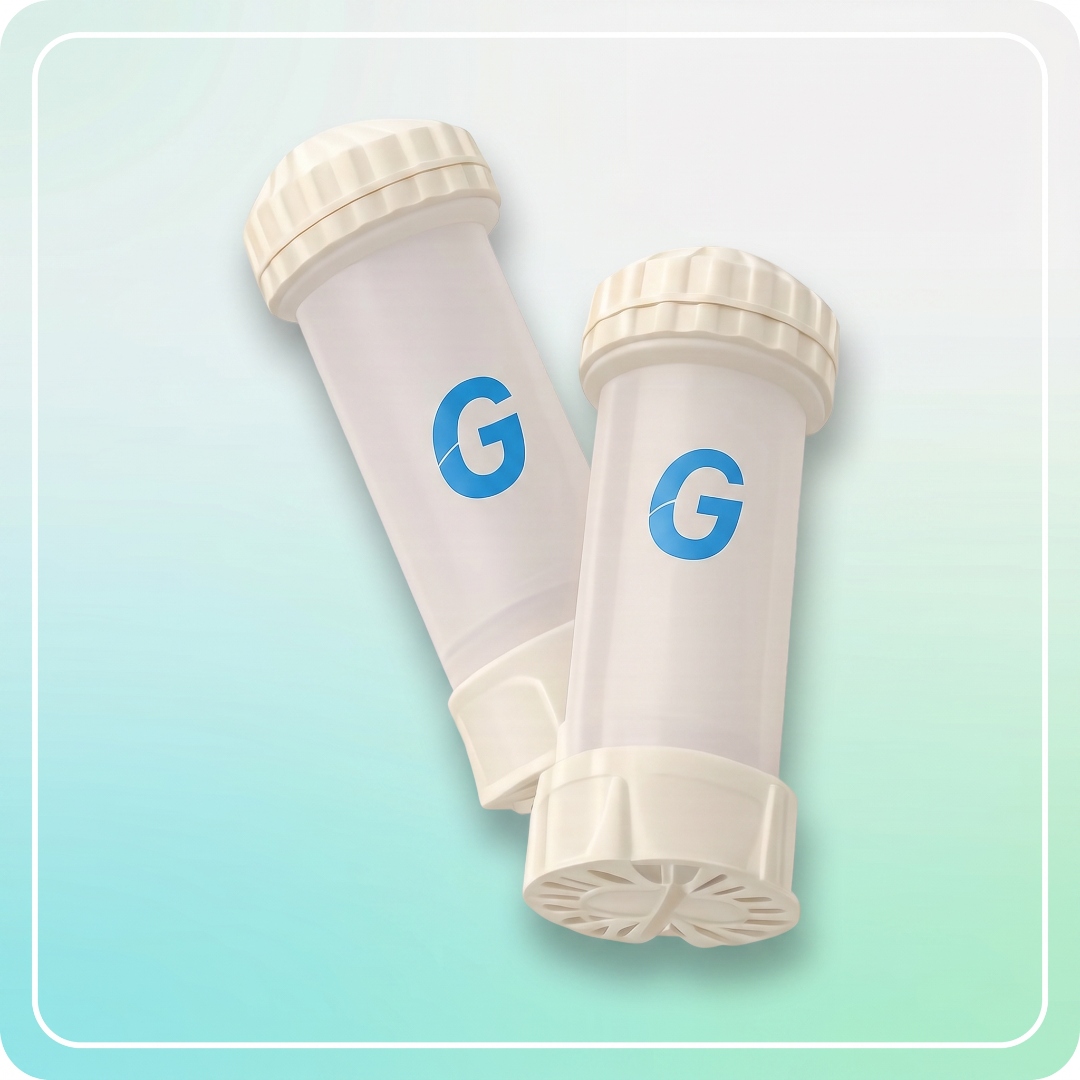
Estradiol Patch 0.05mg
Estradiol Patch 0.05mg is part of a prescriber-directed hormone or endocrine protocol. It should be selected based on symptoms, diagnosis, labs when appropriate, route preference, contraindications, and ongoing monitoring.
Estradiol Patch 0.05mg is a compounded transdermal patch releasing 0.05 mg (50 mcg) of 17β-estradiol per day, the most commonly prescribed intermediate dose for systemic menopausal estrogen therapy. It provides continuous, steady-state estradiol delivery through the skin, maintaining serum estradiol levels typically in the 40–80 pg/mL range. Genesis Compounding prepares this as a prescription-only, patient-specific 503A compounded preparation that is not FDA-approved as a compounded product.
| Active Ingredient | Pharmacologic Role |
|---|---|
| Estradiol 0.05 mg/day (transdermal patch) | Bioidentical 17β-estradiol at a mid-range daily release rate; binds ERα and ERβ in target tissues to address moderate-to-severe vasomotor symptoms, genitourinary atrophy, and bone density preservation in postmenopausal women. |
Route: Transdermal patch.
- Apply to clean, dry, intact hairless skin on the lower abdomen, buttocks, or hip; avoid breasts and irritated skin.
- Change per the prescriber's schedule (once-weekly or twice-weekly depending on the specific patch system).
- Press firmly with palm for 10 seconds; check edge adhesion daily.
- Rotate application sites with each change — do not reapply to the same site for at least one week.
- Remove old patch before applying a new one; fold used patch adhesive-side together for safe disposal.
0.05 mg/day is considered the standard mid-range dose for systemic menopausal hormone therapy. Dosing is prescriber-directed:
- May be initiated directly at this dose if symptoms are moderate-to-severe.
- May be titrated from 0.025 mg/day if the patient does not achieve adequate symptom control at lower doses.
- Women with an intact uterus require concurrent progestogen.
- Serum estradiol levels and symptom control are reassessed at 4–8 weeks.
- Estradiol (0.05 mg/day transdermal): Controlled release of 17β-estradiol through the skin into systemic circulation. Serum estradiol levels at this dose approximate low-to-mid normal premenopausal follicular phase levels (~40–80 pg/mL). Estradiol binds ERα and ERβ, regulating bone metabolism (reduces osteoclast activity), hypothalamic thermostat circuits (reduces vasomotor symptom frequency), vaginal and urethral epithelial proliferation (genitourinary syndrome), serotonergic neurotransmission (mood), and skin collagen synthesis. Bypasses hepatic first-pass metabolism, avoiding the procoagulant, SHBG-elevating, and triglyceride-raising hepatic effects of oral estrogen.
Clinical Context: The 0.05 mg/day patch is the most widely used systemic estradiol patch strength for moderate-to-severe menopausal vasomotor symptoms. It provides meaningful symptom relief, bone density protection, and genitourinary benefits while maintaining a favorable safety profile when used at the lowest effective dose for the shortest appropriate duration. Titration from 0.025 mg/day or to 0.075 mg/day is guided by clinical response and estradiol monitoring.
Monitoring:
- Serum estradiol at 4–8 weeks; target 40–80 pg/mL for symptom control.
- Concurrent progestogen and endometrial monitoring in non-hysterectomized patients.
- Annual mammography.
- Blood pressure and symptom reassessment.
Contraindications:
- Estrogen-dependent malignancies, undiagnosed uterine bleeding, active VTE/PE/arterial thromboembolism, active liver disease, thrombophilic disorders, pregnancy.
Warnings & Precautions:
- Endometrial cancer risk without progestogen in non-hysterectomized patients.
- Breast cancer risk with prolonged therapy — annual mammography.
- Thromboembolic risk (lower transdermal vs. oral, but not zero).
- Safe patch disposal: residual hormone in used patches — fold adhesive-side together and discard in household trash.
Drug Interactions:
- CYP3A4 inducers reduce estradiol levels; CYP3A4 inhibitors may increase levels. Thyroid hormone: monitor free T4 with TBG changes.
Common Side Effects: Application site reactions, breast tenderness, headache, nausea, bloating, breakthrough spotting if progestogen coverage is inadequate.
Store below 30°C / 86°F; do not freeze. Keep in original sealed pouches until use. Store out of reach of children. Avoid humid environments (e.g., bathroom storage). Use before the beyond-use date assigned by Genesis Compounding.
Is 0.05mg the standard estradiol patch dose?
Yes — 0.05 mg/day (50 mcg/day) is the most commonly prescribed systemic estradiol patch dose for moderate-to-severe menopausal symptoms. It provides a clinically meaningful estradiol level while remaining within a reasonable safety margin. Lower doses are used for mild symptoms or initiation; higher doses may be needed for inadequate symptom control.
How do I know if this dose is working?
Symptom improvement in hot flash frequency and severity is typically noticed within 2–4 weeks. Serum estradiol at 4–8 weeks should confirm absorption; levels in the 40–80 pg/mL range are considered appropriate for systemic replacement. If symptoms persist, the prescriber may increase to the 0.075 mg/day strength.
Can I swim or shower with the patch on?
Yes — estradiol patches are designed to be water-resistant. Check patch adhesion after bathing; press edges firmly back into place if they begin to lift. If a patch falls off in water, replace it with a new patch.
Do I need to take a progestogen separately?
If you have an intact uterus, yes. The prescriber will prescribe a progestogen (e.g., oral progesterone or a progestin) separately, or a combination estrogen/progestogen patch may be considered.
Is this product FDA-approved?
FDA-approved estradiol patches at 0.05 mg/day exist. This Genesis Compounding preparation is a patient-specific 503A compounded product under prescriber direction and is not itself FDA-approved as a compounded preparation.
Clinical References
Authoritative sources reviewed in preparing this clinical summary. Provided for prescriber reference; not a substitute for the prescriber’s clinical judgment.
Partner with Genesis Compounding
Join a PCAB-accredited 503A compounding pharmacy licensed in all 50 states. Complete onboarding in minutes and start prescribing personalized, compliant formulations for your patients.