
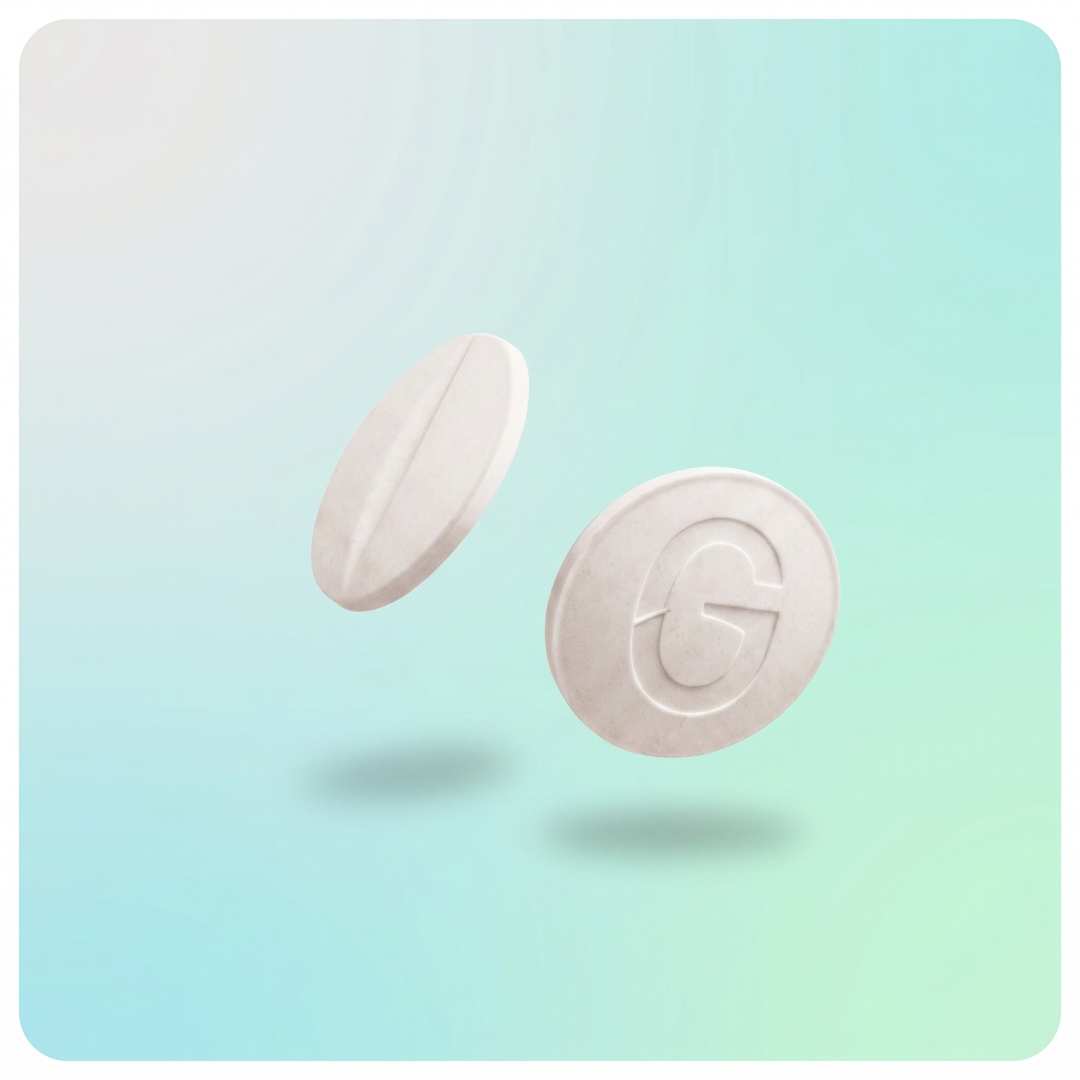
Estradiol Tablet 2mg
Estradiol Tablet 2mg is part of a prescriber-directed hormone or endocrine protocol. It should be selected based on symptoms, diagnosis, labs when appropriate, route preference, contraindications, and ongoing monitoring.
Estradiol Tablet 2mg is an oral tablet containing 2 mg of 17β-estradiol, the higher end of standard oral estradiol dosing for systemic hormone replacement. It is prescribed for patients with more significant vasomotor, genitourinary, or other menopausal symptoms requiring a greater degree of estrogenic support than lower doses provide. Genesis Compounding prepares this as a prescription-only, patient-specific 503A compounded oral preparation that is not FDA-approved as a compounded product.
| Active Ingredient | Pharmacologic Role |
|---|---|
| Estradiol 2mg | Bioidentical endogenous estrogen; binds ERα and ERβ at higher systemic exposure to regulate vasomotor symptoms, bone metabolism, genitourinary epithelium, and hepatic protein synthesis. |
Route: Oral — swallowed tablet.
- Administer once daily at the same time each day, with or without food.
- Swallow whole with adequate water.
- Consistent daily dosing maintains stable circulating estrogen concentrations.
The 2 mg dose is at the upper standard range for oral estradiol; prescribers should have documented inadequate symptom control at lower doses before using this strength, or a specific clinical rationale:
- For moderate-to-severe vasomotor symptoms or significant genitourinary atrophy unresponsive to lower doses.
- Progestogen is mandatory for non-hysterectomized patients — prescriber determines regimen.
- Reassess periodically; titrate to the lowest effective dose as tolerated.
- All dosing decisions are at the prescriber's discretion.
- Estradiol 2mg (oral): Higher oral dose results in proportionally greater first-pass hepatic estrone production and more pronounced SHBG, triglyceride, and clotting factor synthesis compared to 0.5–1 mg doses. Circulating estradiol and estrone bind ERα and ERβ in bone, hypothalamus, genitourinary tissue, and breast, activating genomic gene transcription for thermoregulation, osteoclast suppression, and epithelial maintenance. Hepatic effects are a clinical consideration at this dose level.
Clinical Context: The 2 mg oral estradiol dose is reserved for patients with documented insufficient response to lower doses. Given the larger hepatic first-pass effect at this dose, monitoring of triglycerides, coagulation status, and blood pressure is particularly important. Annual reassessment for dose reduction is recommended; current guidelines support using the lowest effective dose for the shortest duration necessary. Progestogen must be co-prescribed in non-hysterectomized patients.
Monitoring Considerations:
- Serum estradiol at follow-up; triglycerides, blood pressure, and hepatic function annually.
- Endometrial surveillance with progestogen therapy.
- Annual mammography and clinical breast exam per screening guidelines.
Contraindications:
- Estrogen-dependent malignancies, undiagnosed abnormal genital bleeding, active VTE/PE/arterial thromboembolic events, active liver disease, thrombophilic disorders, pregnancy.
Warnings & Precautions:
- Endometrial cancer risk with unopposed estrogen — progestogen required.
- Elevated breast cancer risk with prolonged use.
- Higher thromboembolic risk at higher oral estrogen doses — consider transdermal alternative in high-risk patients.
- Triglyceride elevation: particularly significant at 2 mg — contraindicated in patients with severe hypertriglyceridemia.
Drug Interactions:
- CYP3A4 inducers/inhibitors; thyroid hormone requirements may change. Anticoagulant monitoring required.
Common Side Effects: Nausea, breast tenderness, headache, bloating, fluid retention, mood changes, breakthrough bleeding, and weight changes. Higher doses are associated with more pronounced side effects.
Store at controlled room temperature (20–25°C / 68–77°F) in a tightly closed container away from moisture, heat, and light. Keep out of reach of children. Observe the beyond-use date assigned by Genesis Compounding; do not use after this date.
When would a prescriber use the 2mg dose instead of 1mg?
The 2 mg dose is typically reserved for patients with moderate-to-severe symptoms who have insufficient relief at 0.5–1 mg, or those with documented low estradiol levels requiring greater replacement. It carries a somewhat higher hepatic effect burden, which the prescriber weighs against the clinical need.
Do I need a progestogen?
Yes, if your uterus is intact — mandatory regardless of dose. Your prescriber will prescribe the appropriate progestogen regimen.
Is this FDA-approved?
This is a patient-specific, prescriber-directed 503A compounded preparation from Genesis Compounding and is not FDA-approved as a finished compounded drug product.
Can I take this with food?
Yes — oral estradiol can be taken with or without food. Taking with food or at bedtime may reduce nausea at this dose.
How long should I stay on this dose?
Your prescriber should reassess at each follow-up visit — typically every 3–6 months initially, then annually — with the goal of reducing to the lowest effective dose that maintains symptom control.
Clinical References
Authoritative sources reviewed in preparing this clinical summary. Provided for prescriber reference; not a substitute for the prescriber’s clinical judgment.
Partner with Genesis Compounding
Join a PCAB-accredited 503A compounding pharmacy licensed in all 50 states. Complete onboarding in minutes and start prescribing personalized, compliant formulations for your patients.