
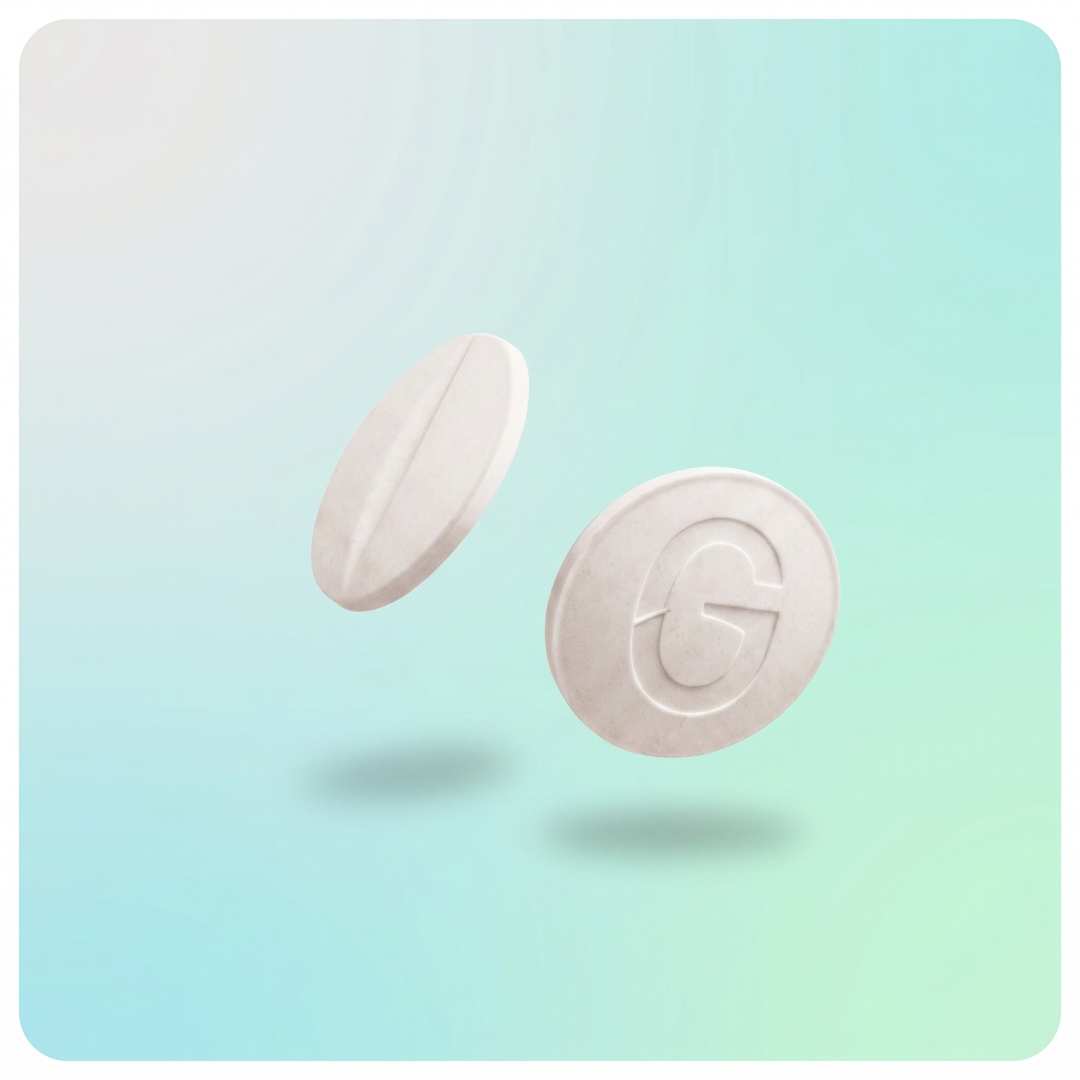
Estradiol Vaginal Tablet 12mcg
Estradiol Vaginal Tablet 12mcg is part of a prescriber-directed hormone or endocrine protocol. It should be selected based on symptoms, diagnosis, labs when appropriate, route preference, contraindications, and ongoing monitoring.
Estradiol Vaginal Tablet 12 mcg is a locally acting estrogen preparation containing estradiol, the primary endogenous estrogen, formulated as a small vaginal tablet designed to dissolve and deliver estrogen directly to the vaginal mucosa. Estradiol binds to estrogen receptors in vaginal epithelial cells, restoring mucosal thickness, lubrication, and tissue integrity in postmenopausal women experiencing genitourinary syndrome of menopause (GSM). Genesis Compounding prepares this formulation as a prescription-only, patient-specific 503A compounded preparation that is not FDA-approved as a compounded product.
| Active Ingredient | Pharmacologic Role |
|---|---|
| Estradiol 12 mcg | Endogenous estrogen hormone that binds nuclear estrogen receptors (ERα, ERβ) in vaginal epithelial and submucosal cells to restore mucosal proliferation, glycogen content, normal vaginal pH, and tissue elasticity lost with menopause-associated hypoestrogenism. |
Route: Intravaginal tablet (local delivery).
The tablet is inserted into the vagina using a disposable applicator. Insert the tablet as far back into the vagina as comfortable, typically at bedtime. The tablet dissolves in place and should not be swallowed. Patients should wash hands before and after insertion. Site of placement within the vaginal vault may be varied slightly with each dose. This route provides local tissue concentrations with minimal systemic absorption at low doses.
Final dosing is determined by the prescribing clinician based on individual patient assessment. Typical dosing patterns for low-dose vaginal estradiol tablets are informed by established clinical practice:
- Initial phase: One tablet inserted vaginally once daily for 2 weeks.
- Maintenance phase: One tablet inserted vaginally twice weekly (approximately every 3–4 days), ongoing as clinically indicated.
- The lowest effective dose for the shortest duration consistent with treatment goals is recommended.
- Prescribers should reassess the need for continued therapy periodically (e.g., every 3–6 months).
- Estradiol: Diffuses through vaginal epithelial cell membranes and binds cytosolic/nuclear estrogen receptors (ERα and ERβ), forming receptor-hormone complexes that interact with estrogen response elements (EREs) on target gene promoters. This upregulates transcription of genes controlling cellular proliferation, glycogen synthesis, and mucosal barrier function in vaginal squamous epithelium. The result is increased epithelial thickness, improved maturation index, reduced vaginal pH, and enhanced lubrication. At the 12 mcg dose, systemic absorption is minimal and serum estradiol levels generally remain within postmenopausal ranges.
Clinical Context: This formulation is intended for prescriber-directed use in postmenopausal women with genitourinary syndrome of menopause (GSM), characterized by vulvovaginal atrophy, dryness, dyspareunia, dysuria, and urinary symptoms attributable to estrogen deficiency. Low-dose local vaginal estrogen has demonstrated efficacy in improving vaginal dryness, reducing dyspareunia, normalizing vaginal pH, and improving maturation index without clinically significant increases in serum estradiol.
Monitoring Considerations:
- Assess symptom response at 4–12 weeks; titrate or adjust frequency as needed.
- In women with an intact uterus on long-term local estrogen, periodic evaluation for any vaginal bleeding is appropriate; endometrial surveillance may be considered based on individual risk factors and prescriber judgment.
- Caution in patients concurrently receiving aromatase inhibitors for breast cancer, as even low-dose local estrogen may partially attenuate aromatase inhibitor efficacy; shared decision-making with oncology is recommended.
- Not indicated where systemic estrogen therapy is required (e.g., significant vasomotor symptoms); in such cases, systemic HRT should be considered separately.
Contraindications:
- Undiagnosed abnormal uterine bleeding.
- Known, suspected, or history of estrogen-dependent neoplasia (e.g., breast cancer, endometrial cancer) — use only after individualized risk-benefit discussion.
- Active or history of thromboembolic disorders (DVT, PE) or arterial thromboembolic disease (stroke, MI).
- Active liver disease or hepatic impairment.
- Known hypersensitivity to estradiol or any tablet excipient.
- Pregnancy.
Warnings & Precautions:
- Even low-dose vaginal estrogen may have some systemic absorption; use the lowest effective dose.
- Women with personal or family history of estrogen-sensitive cancers should be managed collaboratively with their oncology team.
- Not studied or recommended for pediatric patients.
Drug Interactions:
- Aromatase inhibitors (e.g., letrozole, anastrozole): possible attenuation of therapeutic efficacy; avoid or use with extreme caution.
- Strong CYP3A4 inducers (e.g., rifampin, carbamazepine, St. John's Wort): may reduce estradiol levels.
- Strong CYP3A4 inhibitors (e.g., ketoconazole, erythromycin): may increase estradiol exposure.
Common Side Effects: Vaginal discharge, vaginal irritation or burning (typically transient), headache, and breast tenderness have been reported with vaginal estrogen products. Endometrial changes are rare at low doses but clinically relevant in women with intact uteri.
Store at controlled room temperature (20–25°C / 68–77°F). Keep tablets in original packaging away from moisture, heat, and direct light. Do not refrigerate or freeze. Keep out of reach of children. As a 503A compounded preparation, this product carries a pharmacy-assigned beyond-use date (BUD); do not use after the BUD printed on the label.
Is this the same as FDA-approved vaginal estrogen tablets?
This is a 503A compounded preparation, not an FDA-approved drug product. It is prepared by Genesis Compounding to meet individual patient needs as directed by a licensed prescriber. The active ingredient, estradiol, is the same hormone found in FDA-approved vaginal estrogen products, but the compounded preparation has not undergone the same FDA review for safety and efficacy.
How do I insert the vaginal tablet correctly?
Using the provided applicator, insert the tablet as far back into the vagina as comfortable while lying down or standing with one leg raised. Insert at bedtime for comfort. Wash your hands before and after. Do not swallow the tablet.
Will this affect my systemic estrogen levels?
At the 12 mcg dose, systemic absorption is expected to be minimal, and serum estradiol levels typically remain within postmenopausal normal ranges. However, patients with concerns about systemic exposure should discuss their full medication and medical history with their prescriber.
How long before I notice improvement?
Symptomatic improvement in vaginal dryness and dyspareunia may begin within a few weeks, with more complete tissue restoration observed over 8–12 weeks of consistent use. Your prescriber will evaluate your response and determine the appropriate duration of treatment.
Should I use a progestogen alongside this tablet?
Low-dose local vaginal estrogen at this strength is generally not thought to require routine progestogen co-administration to protect the endometrium, as systemic absorption is minimal. However, this decision is individualized and should be made by the prescribing clinician based on your uterine status and clinical history.
Clinical References
Authoritative sources reviewed in preparing this clinical summary. Provided for prescriber reference; not a substitute for the prescriber’s clinical judgment.
Partner with Genesis Compounding
Join a PCAB-accredited 503A compounding pharmacy licensed in all 50 states. Complete onboarding in minutes and start prescribing personalized, compliant formulations for your patients.