
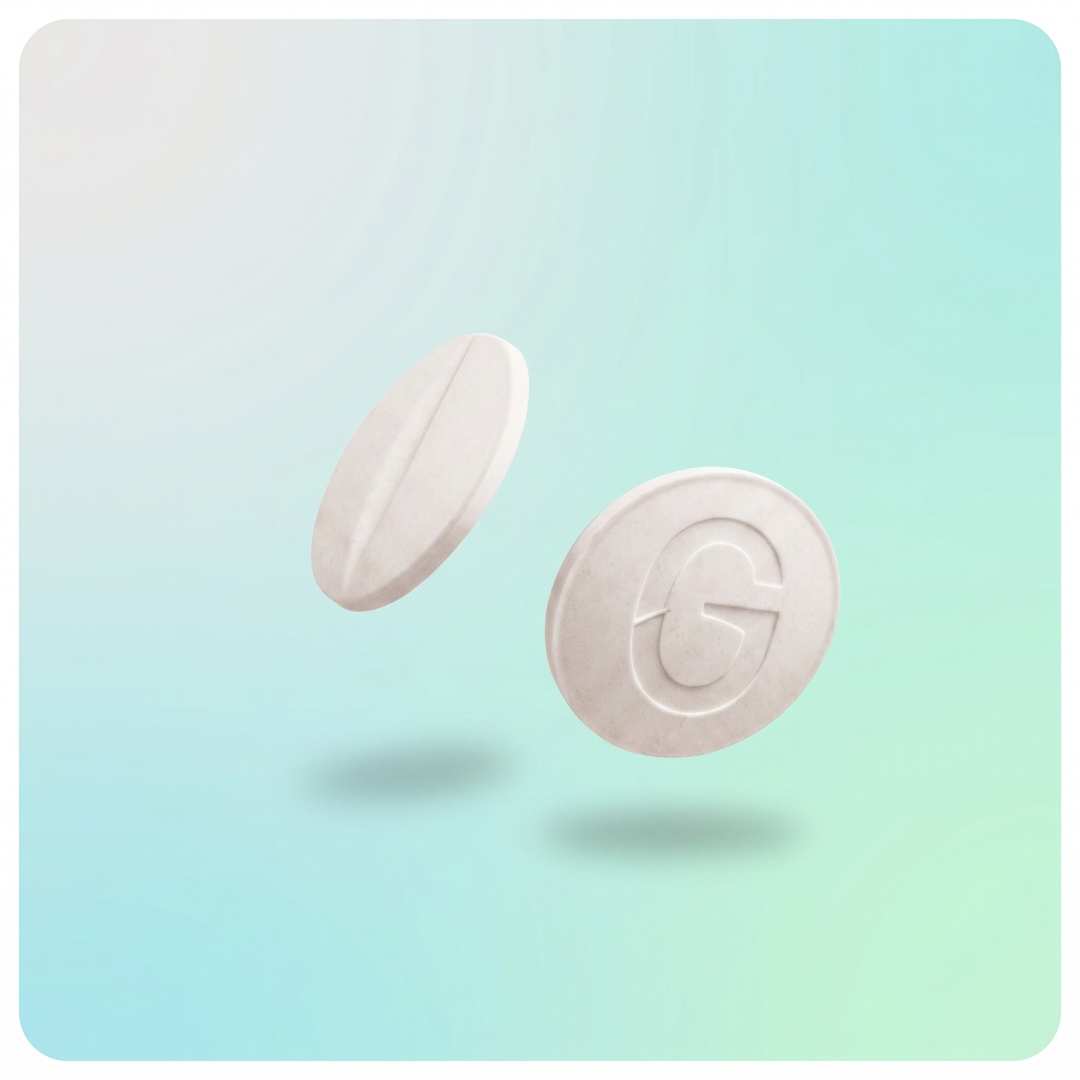
Estradiol Vaginal Tablet 6mcg
Estradiol Vaginal Tablet 6mcg is part of a prescriber-directed hormone or endocrine protocol. It should be selected based on symptoms, diagnosis, labs when appropriate, route preference, contraindications, and ongoing monitoring.
Estradiol Vaginal Tablet 6 mcg is an ultra-low-dose, locally acting estrogen preparation formulated as a vaginal tablet for intravaginal dissolution. Estradiol, the principal endogenous estrogen, acts on estrogen receptors within the vaginal epithelium to alleviate atrophic changes associated with menopause-related hypoestrogenism. The 6 mcg dose is below currently FDA-approved commercial strengths and represents a prescriber-directed, patient-specific formulation. Genesis Compounding prepares this as a prescription-only 503A compounded preparation, not FDA-approved as a compounded product.
| Active Ingredient | Pharmacologic Role |
|---|---|
| Estradiol 6 mcg | Endogenous estrogen that activates nuclear estrogen receptors (ERα, ERβ) in vaginal mucosal cells to promote epithelial proliferation, glycogen deposition, and restoration of normal vaginal pH and tissue integrity at an ultra-low local dose. |
Route: Intravaginal tablet (local delivery).
The tablet is inserted into the vagina using the provided applicator. It should be placed as far back in the vaginal canal as is comfortable, preferably at bedtime. The tablet dissolves in situ; it must not be swallowed. Patients should wash hands thoroughly before and after each insertion. Slight positional variation within the vaginal vault between doses is acceptable.
All dosing is prescriber-determined based on individual patient evaluation. Ultra-low-dose compounded vaginal estradiol at this strength is typically considered for patients requiring a starting dose below the 10 mcg commercially available threshold, or those with particular sensitivities. Typical clinical patterns include:
- Initial phase: One tablet intravaginally once daily for 2 weeks.
- Maintenance phase: One tablet intravaginally twice weekly (approximately every 3–4 days).
- Duration and frequency should be reassessed periodically (e.g., every 3–6 months) by the prescribing clinician.
- Estradiol: Diffuses across vaginal epithelial cell membranes and binds to ERα and ERβ in the nucleus, initiating transcription of estrogen-responsive genes that drive squamous epithelial cell proliferation and maturation, increase glycogen content available for Lactobacillus metabolism, lower vaginal pH, and restore lubrication. At 6 mcg, the principal effect is local; systemic absorption is expected to be at or below that of the 10 mcg commercially available product, which itself produces minimal systemic estradiol elevation.
Clinical Context: This ultra-low-dose vaginal estradiol formulation is indicated for prescriber-directed use in postmenopausal women with GSM symptoms (vaginal dryness, dyspareunia, urinary urgency, recurrent UTIs) who may benefit from a dose below currently marketed products — for example, patients who are particularly sensitive to estrogen, those requiring a gradual introduction of local estrogen therapy, or those managed with concurrent systemic treatments that necessitate minimizing additional estrogen exposure.
Monitoring Considerations:
- Evaluate vaginal symptom response (vaginal pH, maturation index, symptom scores) at 8–12 weeks.
- Monitor for any unexpected uterine bleeding in women with an intact uterus.
- In patients on aromatase inhibitors for breast cancer, discuss with the oncology team prior to initiating any vaginal estrogen.
Contraindications:
- Undiagnosed abnormal uterine or vaginal bleeding.
- Known, suspected, or history of estrogen-sensitive malignancies (breast, endometrial) — individualized risk-benefit assessment required.
- Active or history of thromboembolic disease (DVT, PE, stroke, MI).
- Active liver dysfunction or disease.
- Hypersensitivity to estradiol or formulation excipients.
- Pregnancy.
Warnings & Precautions:
- Use lowest effective dose; reassess need for continued therapy at regular intervals.
- Patients with high risk of estrogen-sensitive cancers should engage in shared decision-making with their oncologist before use.
Drug Interactions:
- Aromatase inhibitors: potential partial antagonism of therapeutic action; use with caution and oncology consultation.
- CYP3A4 inducers (rifampin, carbamazepine, St. John's Wort): may reduce estradiol concentrations.
- CYP3A4 inhibitors (ketoconazole, clarithromycin): may increase estradiol exposure.
Common Side Effects: Mild vaginal irritation, discharge, or discomfort at insertion are the most frequently reported local effects. Systemic effects are uncommon at this ultra-low dose. Headache and breast tenderness may occur rarely.
Store at controlled room temperature (20–25°C / 68–77°F), away from moisture and direct light. Do not refrigerate or freeze. Keep out of reach of children and pets. Use before the beyond-use date (BUD) printed on the prescription label, as assigned by Genesis Compounding.
Why was I prescribed the 6 mcg tablet instead of the standard 10 mcg?
Your prescriber may have selected this ultra-low dose to minimize systemic estrogen exposure, as a starting dose for gradual tissue restoration, or because of your specific clinical situation. Compounding allows dose customization that is not available in commercially manufactured products.
How do I insert the vaginal tablet?
Using the applicator provided, insert the tablet as far back into the vagina as comfortable while lying down. Wash your hands before and after. Insert at bedtime to allow the tablet time to dissolve undisturbed.
Is this an FDA-approved product?
No. This is a prescription-only 503A compounded preparation made by Genesis Compounding. It is not FDA-approved as a compounded product, though the active ingredient (estradiol) is pharmacologically established.
Will I need a progestogen to protect my uterus?
Systemic absorption from ultra-low-dose vaginal estradiol is expected to be very low, and routine progestogen co-therapy is generally not considered necessary. However, this determination is individualized and should be made by your prescriber based on your uterine status and overall hormone management plan.
How long should I use this medication?
Duration of therapy is determined by your prescriber. Periodic reassessment (approximately every 3–6 months) is recommended to confirm that continued use remains appropriate for your symptoms and health status.
Clinical References
Authoritative sources reviewed in preparing this clinical summary. Provided for prescriber reference; not a substitute for the prescriber’s clinical judgment.
Partner with Genesis Compounding
Join a PCAB-accredited 503A compounding pharmacy licensed in all 50 states. Complete onboarding in minutes and start prescribing personalized, compliant formulations for your patients.