
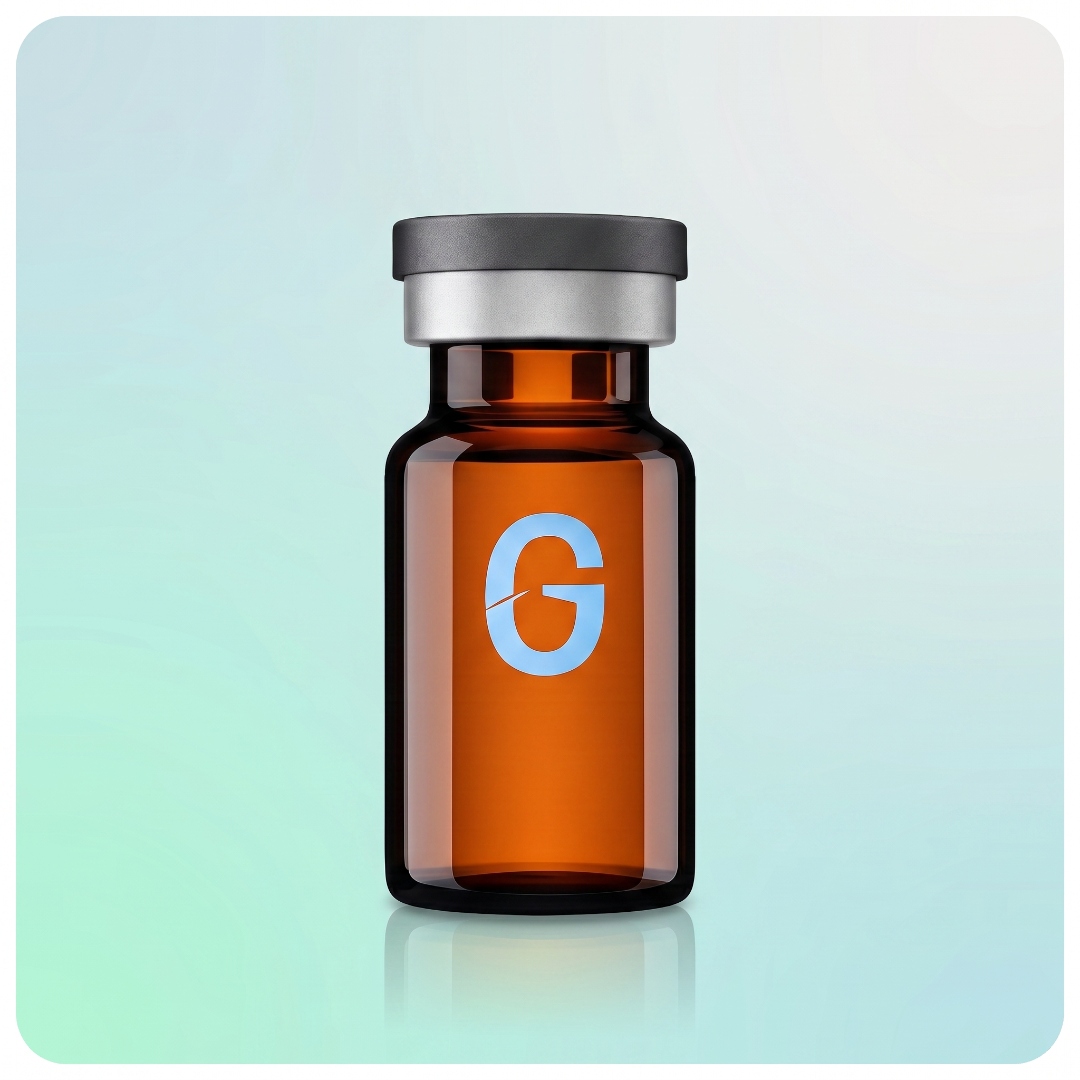
Glutathione 200mg/mL
Glutathione 200mg/mL is used in prescriber-directed longevity, peptide, antioxidant, or skin-longevity protocols. Published evidence varies substantially by ingredient, so the page avoids unsupported disease-treatment claims.
Glutathione 200 mg/mL is a compounded sterile injectable solution of reduced L-glutathione, the body's primary endogenous antioxidant tripeptide (composed of glutamine, cysteine, and glycine). It is formulated for intravenous (IV) or intramuscular (IM) administration. Genesis Compounding prepares this as a prescription-only, patient-specific, 503A compounded sterile preparation not FDA-approved as a compounded drug.
| Active Ingredient | Pharmacologic Role |
|---|---|
| Glutathione (L-glutathione reduced) 200 mg/mL | Endogenous tripeptide antioxidant that neutralizes reactive oxygen species (ROS), supports cellular detoxification via glutathione-S-transferase pathways, and modulates immune function and melanogenesis. |
Route: Intravenous (IV) infusion or intramuscular (IM) injection, as directed by the prescriber. IV: dilute in compatible diluent (normal saline or sterile water) and infuse slowly over the prescribed timeframe. IM: inject into a large muscle (deltoid or gluteus); aspirate before injection to confirm non-vascular placement. Subcutaneous administration has also been reported; route and method are prescriber-specified.
Dosing is prescriber-determined based on clinical indication and patient response. General practice ranges described in compounding literature:
- IM/SC: 100–200 mg one to three times weekly.
- IV: 200–600 mg infused in normal saline, once to twice weekly.
- All doses, frequency, and duration are established by the prescribing clinician.
Glutathione is a tripeptide (γ-glutamylcysteinylglycine) that functions as the primary intracellular antioxidant. Its thiol (-SH) group on cysteine donates electrons to neutralize reactive oxygen species (ROS) and free radicals, converting them to less harmful molecules. It serves as a cofactor for glutathione peroxidase (reducing hydrogen peroxide and lipid peroxides) and glutathione-S-transferase (conjugating electrophilic toxins to facilitate hepatic and renal excretion). Glutathione also regenerates vitamins C and E to their active antioxidant forms. Exogenously administered glutathione is partially hydrolyzed in plasma, with constituent amino acids (cysteine, glycine, glutamate) taken up by cells for intracellular resynthesis. Additionally, glutathione inhibits tyrosinase activity in melanocytes and promotes conversion of eumelanin to pheomelanin, reducing melanin production — a mechanism underlying its use in hyperpigmentation contexts.
Compounded injectable glutathione is used in prescriber-directed clinical contexts where enhanced antioxidant support is considered appropriate, including states of heightened oxidative stress, adjunctive support in certain liver conditions, and patient-specific protocols. Its use for skin lightening/hyperpigmentation has been explored but carries a limited and mixed evidence base. Prescribers should note the FDA has highlighted quality and endotoxin concerns with certain glutathione raw materials — only pharmaceutical-grade, sterility-tested material from qualified suppliers should be used.
Monitoring: Baseline and periodic liver function tests in patients with hepatic conditions; renal function in patients with kidney impairment; thyroid function (rare reports of abnormality with glutathione supplementation); injection site assessment.
Contraindications:
- Known hypersensitivity to glutathione or formulation components.
- Pregnancy and lactation: safety data insufficient; avoid unless benefit clearly outweighs risk.
- Asthma: inhalation of glutathione has triggered bronchospasm; use injectable forms with caution in asthmatic patients.
Warnings & Precautions:
- The FDA has issued safety communications regarding endotoxin contamination of some glutathione raw materials; only pharmacy-grade sterility-verified material is appropriate for injectable compounding.
- Renal impairment: high-dose IV glutathione may accumulate or produce metabolic effects; use with caution.
- Hepatic effects: isolated reports of abnormal liver enzymes and anaphylaxis with parenteral glutathione.
- Long-term safety of high-dose or chronic parenteral administration is not fully established.
Drug Interactions:
- May theoretically enhance or modulate the effects of other antioxidant therapies.
- Cisplatin and some chemotherapy agents: glutathione is sometimes used to reduce neurotoxicity, but may also affect antitumor efficacy — specialist guidance required.
Common Side Effects: Injection site discomfort, redness, swelling; nausea; headache; abdominal discomfort; flushing (IV infusion).
Store compounded glutathione injectable solution refrigerated at 2°C–8°C. Protect from light — glutathione degrades rapidly on exposure to light and oxidizing conditions. Do not freeze. Do not use if the solution shows discoloration or particulate matter. Administer promptly after preparation; use within the beyond-use date assigned by Genesis Compounding. Multi-dose vials: use aseptic technique with each access.
Why is injectable glutathione preferred over oral supplements?
Oral glutathione undergoes significant first-pass hydrolysis in the GI tract, resulting in poor systemic bioavailability. Injectable delivery (IV or IM) bypasses GI breakdown, providing direct systemic delivery of the tripeptide or its constituent amino acids to tissues.
What is the clinical rationale for glutathione injections?
Glutathione is the body's primary intracellular antioxidant and detoxification cofactor. Prescriber-directed injectable therapy is considered when enhanced antioxidant capacity or detoxification support is clinically indicated, on a patient-specific basis.
Is this an FDA-approved drug?
No. This is a patient-specific, prescriber-directed 503A compounded sterile preparation from Genesis Compounding, not an FDA-approved drug product.
Are there safety concerns with IV glutathione?
The FDA has flagged endotoxin concerns with certain glutathione raw materials. Genesis Compounding uses pharmaceutical-grade, sterility-tested ingredients. Report any fever, chills, or rigors after infusion to your prescriber immediately, as these may indicate endotoxin reactions.
How should I store this medication?
Refrigerate at 2°C–8°C and protect from light. Do not freeze. Use within the beyond-use date on the label.
Clinical References
Authoritative sources reviewed in preparing this clinical summary. Provided for prescriber reference; not a substitute for the prescriber’s clinical judgment.
Partner with Genesis Compounding
Join a PCAB-accredited 503A compounding pharmacy licensed in all 50 states. Complete onboarding in minutes and start prescribing personalized, compliant formulations for your patients.