
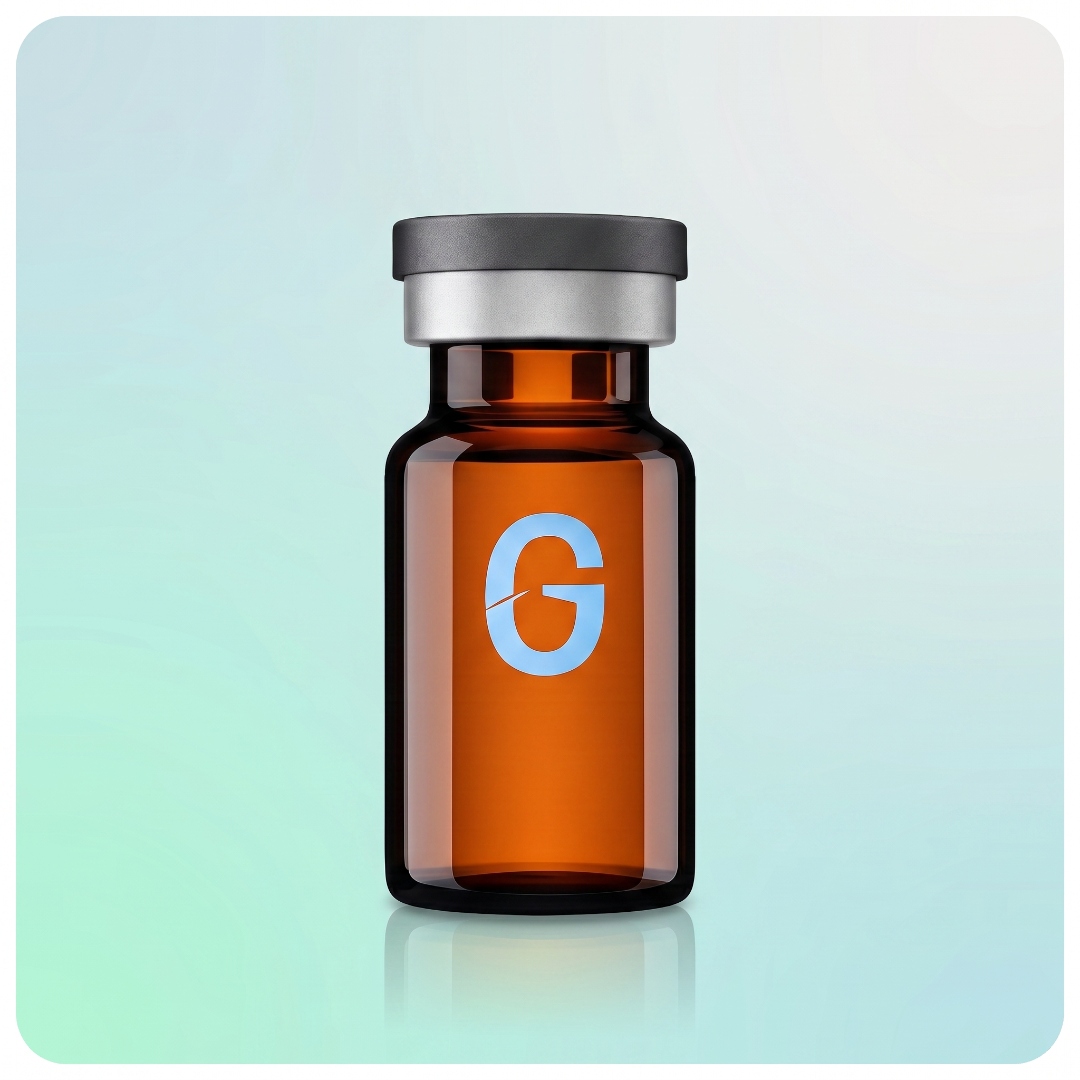
Glutathione 6000mg 200mg/mL
Glutathione 6000mg 200mg/mL is used in prescriber-directed longevity, peptide, antioxidant, or skin-longevity protocols. Published evidence varies substantially by ingredient, so the page avoids unsupported disease-treatment claims.
Glutathione 6000 mg (200 mg/mL) is a compounded, high-volume sterile injectable preparation of reduced L-glutathione in a 30 mL vial (6,000 mg total at 200 mg/mL). This multi-dose, high-total-content vial is intended for IV infusion or IM injection under prescriber direction and clinical supervision. Genesis Compounding prepares this as a prescription-only, patient-specific, 503A compounded sterile preparation not FDA-approved as a compounded drug.
| Active Ingredient | Pharmacologic Role |
|---|---|
| Glutathione (L-glutathione reduced) 200 mg/mL (6,000 mg total) | Endogenous tripeptide antioxidant neutralizing ROS, supporting hepatic detoxification via glutathione-S-transferase, and modulating cellular redox homeostasis; high-total-content vial for multiple-session or higher-dose prescriber protocols. |
Route: Intravenous (IV) infusion or intramuscular (IM) injection per prescriber direction. For IV use: withdraw the prescribed volume and dilute in normal saline; infuse at prescribed rate under clinical supervision. For IM use: inject prescribed volume into a large muscle with appropriate technique. This large vial is intended for multiple clinical-session use under strict aseptic conditions.
Dosing is prescriber-determined. This 6,000 mg vial provides multiple doses at various per-session amounts:
- Typical clinical session doses range from 200 mg to 1,200 mg IV or IM, depending on the indication and clinical protocol.
- The 30 mL vial supports 5–30 individual dose draws (200 mg to 1,200 mg per session).
- Dose, frequency, dilution, and infusion rate are all prescriber-specified; high doses (>2 g) require careful clinical monitoring.
Glutathione (γ-glutamylcysteinylglycine) exerts antioxidant activity through its cysteine thiol group, which donates electrons to neutralize hydrogen peroxide, superoxide, and organic peroxides via glutathione peroxidase. It conjugates electrophilic toxins (heavy metals, xenobiotics) via glutathione-S-transferase, rendering them water-soluble for renal excretion. Glutathione recycles oxidized vitamins C and E back to active antioxidant forms. It also participates in protein disulfide bond regulation, DNA synthesis, and immune cell activation. At melanocyte level, glutathione inhibits tyrosinase activity and shifts melanin synthesis from eumelanin (dark) to pheomelanin (lighter), providing a mechanistic basis for skin tone-related prescribing in some protocols.
This high-volume formulation is designed for practices administering glutathione infusions as part of prescriber-directed clinical protocols, particularly where multiple patient sessions or higher cumulative doses are required. Clinical contexts in which glutathione has been studied include oxidative stress-related conditions, adjunctive support in hepatic disease, and patient-specific integrative medicine indications.
Monitoring: Liver function tests, renal function, baseline thyroid panel; monitor for infusion reactions (fever, chills, hypotension); injection site assessment with IM use.
Contraindications:
- Known hypersensitivity to glutathione or formulation components.
- Pregnancy and lactation: insufficient safety data.
- Asthma: use injectable form cautiously.
- Patients with significant renal impairment: high-dose glutathione may accumulate.
Warnings & Precautions:
- FDA has flagged endotoxin contamination of certain glutathione raw material lots; ensure pharmacy-grade, sterility-verified material only.
- Anaphylaxis and hepatotoxicity reported rarely with parenteral glutathione; monitor during and after infusion.
- Doses exceeding 5 g may carry risk of renal toxicity, blood toxicity, and neurological effects — prescriber clinical judgment required.
- Multi-dose vial: strict aseptic technique required; track beyond-use date from first vial puncture.
Drug Interactions:
- Chemotherapy interactions (cisplatin): glutathione may modulate platinum neurotoxicity and potentially antitumor efficacy; use only under oncologist supervision in this context.
Common Side Effects: Injection site pain/swelling, nausea, headache, abdominal discomfort, flushing during IV infusion. Rare: allergic reactions, anaphylaxis.
Refrigerate at 2°C–8°C. Protect strictly from light — use amber vials or wrap in foil; glutathione oxidizes rapidly on light and air exposure. Do not freeze. Once the multi-dose vial is first punctured, record the date and adhere to the beyond-use date assigned by Genesis Compounding. Use aseptic technique with each access. Discard remaining solution if color change or particulate matter appears.
What is the clinical use for this large 6,000 mg vial?
The 30 mL/6,000 mg vial provides a multi-session supply for practices administering glutathione infusions or injections across multiple patient appointments. It reduces the need for frequent individual compounding and supports clinical-use protocols with higher cumulative dosing.
How is IV glutathione different from oral glutathione supplements?
Oral glutathione is largely hydrolyzed in the GI tract before absorption. Intravenous delivery provides direct systemic exposure, bypassing first-pass hydrolysis and enabling pharmacologically relevant plasma concentrations.
Are high-dose glutathione infusions safe?
At lower clinical doses, glutathione has a generally favorable safety profile. At doses exceeding 5 g, risks of renal dysfunction and other systemic effects increase. Infusions should be administered under clinical supervision with monitoring for reactions. Only pharmacy-grade, endotoxin-tested material should be used.
Is this an FDA-approved product?
No. This is a patient-specific, prescriber-directed 503A compounded sterile preparation from Genesis Compounding, not FDA-approved as a compounded drug.
How should multi-dose vials be handled?
Use strict aseptic technique with a new sterile needle for every draw. Record the date of first puncture. Store at 2°C–8°C between uses, protect from light, and discard by the beyond-use date assigned by Genesis Compounding.
Clinical References
Authoritative sources reviewed in preparing this clinical summary. Provided for prescriber reference; not a substitute for the prescriber’s clinical judgment.
Partner with Genesis Compounding
Join a PCAB-accredited 503A compounding pharmacy licensed in all 50 states. Complete onboarding in minutes and start prescribing personalized, compliant formulations for your patients.