
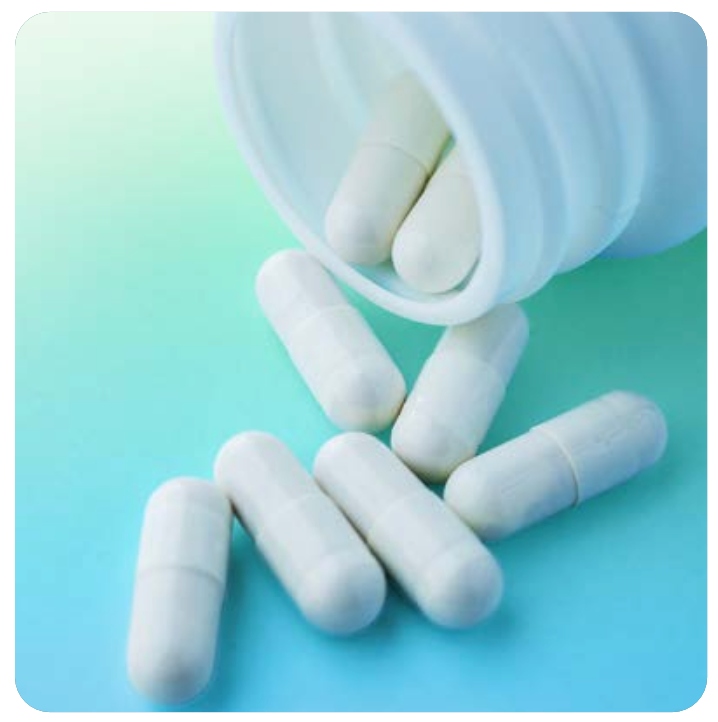
Orforglipron + B6 12mg
Orforglipron + B6 12mg is a prescriber-directed weight-management medication option. It should be used as part of a broader care plan that includes nutrition, activity, contraindication screening, and monitoring.
Orforglipron is a non-peptide, small-molecule glucagon-like peptide-1 receptor (GLP-1R) agonist approved by the FDA in April 2026 for chronic weight management and type 2 diabetes — the first orally bioavailable GLP-1R agonist that does not require special formulation conditions (unlike semaglutide oral). This preparation combines orforglipron 12 mg with pyridoxine (vitamin B6) to help mitigate the GI adverse effects — particularly nausea — that are class-wide with GLP-1R agonists. Genesis Compounding prepares this as a prescription-only, patient-specific 503A compounded oral capsule; it is not FDA-approved as a compounded preparation.
| Active Ingredient | Pharmacologic Role |
|---|---|
| Orforglipron 12 mg | Non-peptide GLP-1 receptor agonist (small molecule); activates GLP-1R to suppress appetite, slow gastric emptying, and reduce caloric intake, supporting weight management and glycemic control. |
| Pyridoxine (Vitamin B6) — per prescriber order | B-complex vitamin with established antiemetic properties in GI nausea syndromes; co-formulated to reduce GLP-1 class-associated nausea during initiation and dose escalation. |
Oral capsule: Swallow intact with water. Unlike peptide GLP-1R agonists, orforglipron as a small molecule does not require fasting or restricted fluid volume for absorption. May be taken with or without food. Consistent daily timing is recommended to maintain steady-state plasma concentrations. Do not crush or open the capsule unless specifically formulated and directed to do so.
Dosing is prescriber-determined. Orforglipron is typically titrated upward from a low starting dose to the target therapeutic dose over several weeks to minimize GI adverse effects — a strategy standard across all GLP-1R agonist classes.
- Starting dose: Low doses (e.g., 1–3 mg/day) are typically initiated and escalated every 4–8 weeks per the prescriber's protocol.
- 12 mg strength: Represents an intermediate or maintenance dose step in a titration schedule determined by the prescriber based on tolerability and clinical response.
- Pyridoxine (B6): Included to attenuate nausea, particularly during dose escalation; dose is prescriber-specified.
- Final dose, titration schedule, and duration of therapy are determined solely by the prescriber.
- Orforglipron: A non-peptide small molecule that acts as a full agonist at the GLP-1 receptor — a class B G protein-coupled receptor expressed in pancreatic beta cells, brain hypothalamus and brainstem, stomach, and intestine. Receptor activation stimulates glucose-dependent insulin secretion, suppresses glucagon release, delays gastric emptying, and activates central satiety pathways (particularly in the hypothalamic arcuate nucleus and area postrema), reducing appetite and caloric intake. Unlike peptide GLP-1 analogues, orforglipron is not degraded by dipeptidyl peptidase-4 (DPP-4) and has high oral bioavailability as a small molecule.
- Pyridoxine (B6): Acts as a cofactor in neurotransmitter biosynthesis; its antiemetic mechanism in nausea syndromes may involve modulation of serotonergic signaling. Pyridoxine is an established first-line intervention for nausea and vomiting of pregnancy (NVP) and is used adjunctively here to reduce GLP-1R agonist-induced nausea.
Indications context: Compounded orforglipron + B6 capsules are intended for adults with obesity (BMI ≥30) or overweight (BMI ≥27) with at least one weight-related comorbidity, or for type 2 diabetes mellitus management, where the prescribing clinician has determined that the compounded form meets a specific patient need. The pyridoxine co-formulation targets nausea, the primary dose-limiting side effect during GLP-1R agonist initiation.
Prescriber monitoring considerations:
- Baseline and periodic HbA1c, fasting glucose, and weight; response assessment typically at 12–16 weeks of adequate dose.
- Renal function monitoring — GLP-1R agonists can cause acute kidney injury secondary to volume depletion from GI side effects (nausea, vomiting, diarrhea).
- Monitor for signs of pancreatitis: persistent severe abdominal pain, elevated lipase/amylase — discontinue if suspected.
- Thyroid monitoring: GLP-1R agonists carry an FDA warning for thyroid C-cell tumors in rodent studies; clinical significance in humans is not established, but use caution in patients with personal or family history of medullary thyroid carcinoma or MEN2.
- Hypoglycemia risk is low as monotherapy (glucose-dependent mechanism) but increases when combined with insulin secretagogues or insulin.
- Assess for gastroparesis exacerbation in patients with pre-existing delayed gastric emptying.
Contraindications:
- Personal or family history of medullary thyroid carcinoma (MTC) or Multiple Endocrine Neoplasia syndrome type 2 (MEN2) — class warning for GLP-1R agonists based on rodent carcinogenicity data
- Known hypersensitivity to orforglipron or any formulation component
Warnings & Precautions:
- Thyroid C-cell tumors: observed in rodents at clinically relevant exposures; human relevance unknown — counsel patients and monitor accordingly
- Acute pancreatitis: discontinue promptly if pancreatitis is suspected; do not restart if confirmed
- Acute gallbladder disease: cholelithiasis and cholecystitis reported with GLP-1R agonist class; evaluate if biliary symptoms develop
- GI adverse effects (nausea, vomiting, diarrhea, constipation): especially during initiation and escalation; may cause dehydration and acute kidney injury
- Gastroparesis: GLP-1R agonists slow gastric emptying; use with caution in patients with pre-existing gastroparesis
- Drug absorption interactions: slowed gastric emptying may affect oral drug absorption (particularly time-sensitive medications)
Drug Interactions:
- Insulin and insulin secretagogues (sulfonylureas): increased hypoglycemia risk; consider dose reduction of the secretagogue
- Oral medications with narrow therapeutic index: slowed gastric emptying may alter absorption kinetics — monitor accordingly
- Warfarin and oral anticoagulants: monitor INR; gastric emptying delay may affect absorption timing
Common Side Effects: Nausea (most common, especially during escalation), vomiting, diarrhea, constipation, abdominal discomfort, decreased appetite, eructation, and fatigue. Pyridoxine co-formulation is intended to reduce GI onset symptoms.
Store compounded orforglipron + B6 capsules at controlled room temperature (20–25°C / 68–77°F), protected from light and moisture. Keep tightly closed in the original dispensing container. Do not refrigerate or freeze unless directed by the label. The beyond-use date assigned by Genesis Compounding appears on the label; do not use after that date. Keep out of reach of children.
Why is vitamin B6 included in this capsule?
Nausea is the most common side effect of GLP-1 receptor agonists, particularly during the first weeks of therapy and with each dose increase. Pyridoxine (vitamin B6) has established antiemetic properties and is co-formulated to reduce this class-wide GI effect, improving tolerability and adherence to the titration schedule.
How is this different from semaglutide or other GLP-1 injections?
Orforglipron is a non-peptide, small-molecule GLP-1 receptor agonist taken as an oral capsule — no injection required. Unlike peptide GLP-1 analogues (semaglutide, liraglutide), it is not broken down by stomach enzymes and does not require special fasting conditions or a restricted water volume. It activates the same GLP-1 receptor to produce similar metabolic effects.
How long before I see weight loss results?
Clinical effects on weight typically become apparent over 4–12 weeks on an adequate therapeutic dose, with continued benefit over months to years. Significant, sustained weight loss requires concurrent adherence to dietary and activity guidance. Your prescriber will assess response at follow-up visits.
Does this medication affect blood sugar?
Yes — GLP-1 receptor agonists stimulate insulin secretion in a glucose-dependent manner (only when blood sugar is elevated) and suppress glucagon, lowering postprandial glucose. Hypoglycemia risk is low as monotherapy but increases if combined with insulin or sulfonylureas.
Is this FDA-approved?
Orforglipron received FDA approval in April 2026. This specific compounded capsule combining orforglipron with pyridoxine (B6) is a prescriber-directed, patient-specific 503A preparation by Genesis Compounding and is not FDA-approved as a compounded product.
Clinical References
Authoritative sources reviewed in preparing this clinical summary. Provided for prescriber reference; not a substitute for the prescriber’s clinical judgment.
Partner with Genesis Compounding
Join a PCAB-accredited 503A compounding pharmacy licensed in all 50 states. Complete onboarding in minutes and start prescribing personalized, compliant formulations for your patients.