
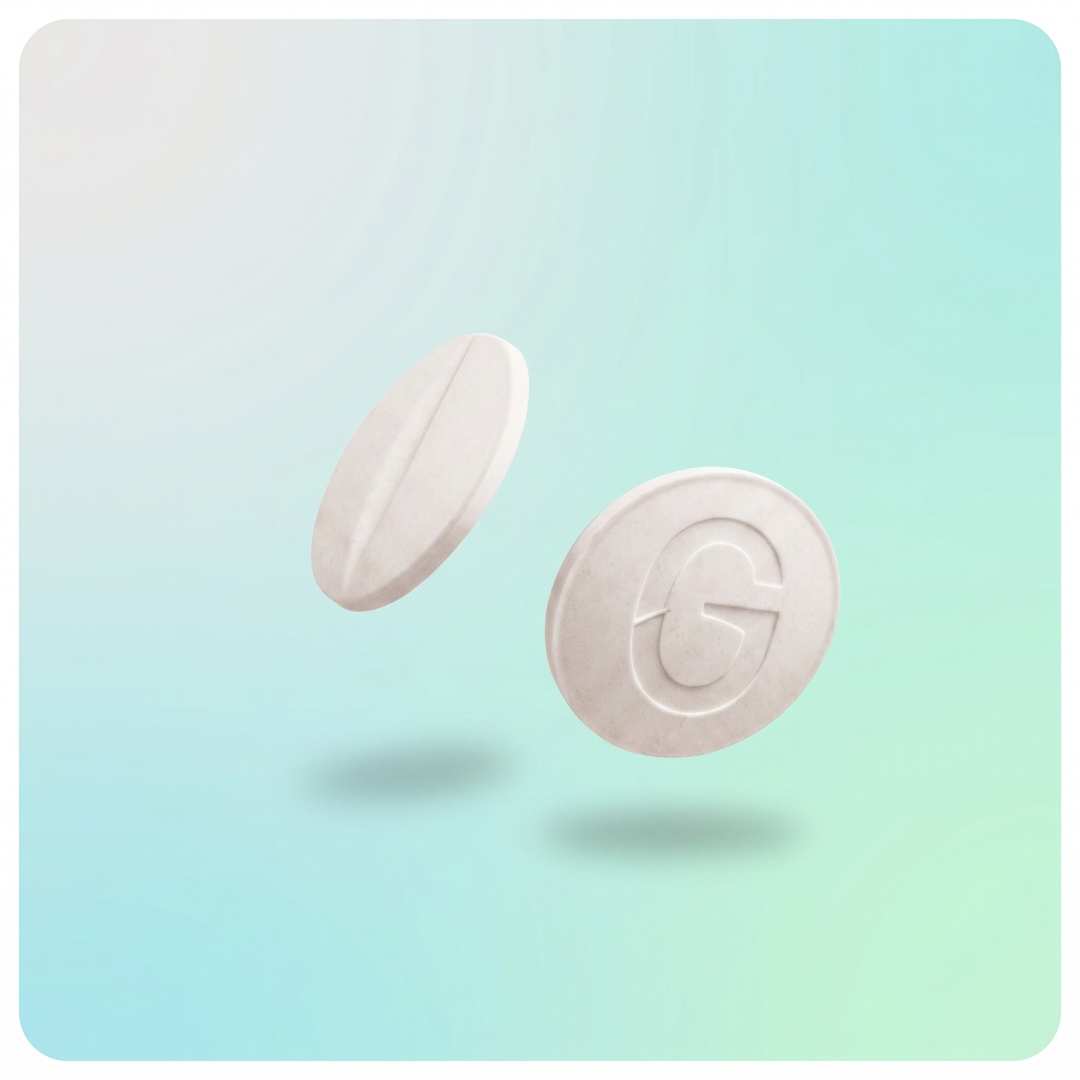
PT-141 0.1mg
PT-141 0.1mg is a prescriber-directed sexual health preparation. It should be used only after assessment of the patient's symptoms, medical history, cardiovascular risk, medication list, and treatment goals.
PT-141 0.1 mg refers to a low-dose compounded preparation of bremelanotide—a synthetic melanocortin receptor agonist—typically formulated as a sublingual troche or as part of a multi-ingredient oral dosage form. Bremelanotide activates central melanocortin 4 receptors (MC4R) in the hypothalamus to stimulate sexual desire and arousal through brain-based (rather than vascular) mechanisms. Genesis Compounding prepares this as a prescription-only 503A compounded preparation; it is not FDA-approved as a compounded preparation at this concentration or dose form.
| Active Ingredient | Pharmacologic Role |
|---|---|
| Bremelanotide (PT-141) 0.1 mg | Melanocortin MC4R agonist that activates central dopaminergic arousal pathways in the hypothalamus to enhance sexual desire independent of hemodynamic mechanisms. |
Route: Sublingual troche (dissolve under the tongue) or as directed by the prescriber for the specific compounded dosage form.
- Place the troche under the tongue and allow it to dissolve completely. Do not chew or swallow whole.
- Avoid eating, drinking, or rinsing the mouth until the troche is fully dissolved.
- Administer at least 45 minutes before anticipated sexual activity unless otherwise directed by your prescriber.
- Do not use more than one dose in a 24-hour period.
This 0.1 mg preparation represents an ultra-low dose compared to the FDA-approved 1.75 mg subcutaneous injection. Low-dose sublingual troche preparations are used when prescribers wish to initiate therapy conservatively, assess tolerability, or use PT-141 as part of a combination troche formulation. All dosing decisions are prescriber-determined. Reference: FDA-approved bremelanotide subcutaneous dose is 1.75 mg given at least 45 minutes prior to sexual activity, not more than once in 24 hours and not more than 8 times per month. The equivalent bioavailability of sublingual versus subcutaneous PT-141 has not been formally established.
- Bremelanotide (PT-141): A cyclic heptapeptide melanocortin analog that binds and agonizes MC3R and MC4R in the medial preoptic area and arcuate nucleus of the hypothalamus. MC4R activation increases dopamine efflux in the nucleus accumbens and other limbic structures, enhancing motivational arousal and sexual desire without requiring peripheral vascular stimulation. Unlike PDE5 inhibitors (sildenafil, tadalafil), PT-141 acts upstream at the central level of sexual motivation rather than at the erectile/vascular endpoint.
Indication context: Bremelanotide is FDA-approved (as Vyleesi) for hypoactive sexual desire disorder (HSDD) in premenopausal women. Compounded PT-141 is prescribed off-label in both men and women for HSDD, female sexual arousal disorder (FSAD), and erectile dysfunction (ED) not adequately addressed by PDE5 inhibitors alone. The 0.1 mg troche dose is a prescriber-titrated initiating dose.
Monitoring:
- Blood pressure at initiation (PT-141 can transiently increase BP by ~3 mmHg SBP/DBP within the first 4 hours post-dose).
- Nausea management: most common adverse effect; can be mitigated by having a light snack before use.
- Skin pigmentation changes with prolonged daily use—reassess at follow-up.
- Assess sexual function outcomes (e.g., using FSFI or IIEF scales) at 8-week intervals.
Contraindications:
- Uncontrolled hypertension or known cardiovascular or cerebrovascular disease.
- Postmenopausal status or male sex (for Vyleesi FDA indication); compounded use in these groups is off-label.
- Concurrent use of naltrexone or other medications that significantly slow gastric emptying.
- Hypersensitivity to bremelanotide or any excipient.
Warnings & Precautions:
- Transient increase in blood pressure and decrease in heart rate for up to 4 hours post-dose; monitor BP, especially at initiation.
- Focal hyperpigmentation (face, gums, breasts) with repeated use; more pronounced in individuals with darker skin; reassess with prolonged or daily use.
- Nausea is the most common adverse effect; dose on a light stomach or with an anti-emetic as directed.
- Do not drive or operate machinery within several hours of dosing until individual response is known.
Drug Interactions:
- Naltrexone: may significantly reduce bremelanotide absorption; avoid concurrent use.
- Indomethacin and other drugs that slow gastric emptying: may reduce absorption when PT-141 is taken orally/sublingually.
Common Side Effects: Nausea (most common), flushing, headache, injection-site reaction (with subcutaneous form), transient hyperpigmentation with prolonged use.
Store at room temperature (15–25°C) in a cool, dry location away from direct light and heat. Do not freeze. Keep in the dispensing container with the cap tightly closed. Keep out of reach of children. Use within the beyond-use date assigned by Genesis Compounding.
How does PT-141 differ from Viagra or Cialis?
PDE5 inhibitors (sildenafil, tadalafil) work peripherally by enhancing blood flow to genital tissues in response to sexual stimulation. PT-141 works centrally in the brain—specifically in the hypothalamus—to activate the motivational and desire components of sexual function. This makes PT-141 potentially useful for patients whose low sexual desire is the primary issue rather than vascular response.
Why is this dose (0.1 mg) lower than the FDA-approved dose?
The FDA-approved Vyleesi subcutaneous dose is 1.75 mg. Compounded sublingual preparations have different bioavailability; prescribers may initiate at low doses to assess tolerability or as part of a combination troche. Your prescriber has determined the dose appropriate for your individual clinical situation.
Is it safe to use PT-141 if I have high blood pressure?
PT-141 can transiently increase blood pressure by a small amount (~3 mmHg) in the first 4 hours post-dose. It is contraindicated in patients with uncontrolled hypertension or known cardiovascular disease. Disclose all blood pressure readings and medications to your prescriber before use.
What should I do if I experience nausea?
Nausea is the most commonly reported side effect. Taking PT-141 with a light snack before use may reduce nausea. If severe or persistent, contact your prescriber to discuss dose adjustment or anti-emetic strategies.
Is this FDA-approved?
Bremelanotide (Vyleesi) is FDA-approved for subcutaneous use in premenopausal women with HSDD. This compounded sublingual preparation at 0.1 mg is a patient-specific 503A preparation from Genesis Compounding and is not FDA-approved as a compounded product.
Clinical References
Authoritative sources reviewed in preparing this clinical summary. Provided for prescriber reference; not a substitute for the prescriber’s clinical judgment.
Partner with Genesis Compounding
Join a PCAB-accredited 503A compounding pharmacy licensed in all 50 states. Complete onboarding in minutes and start prescribing personalized, compliant formulations for your patients.