
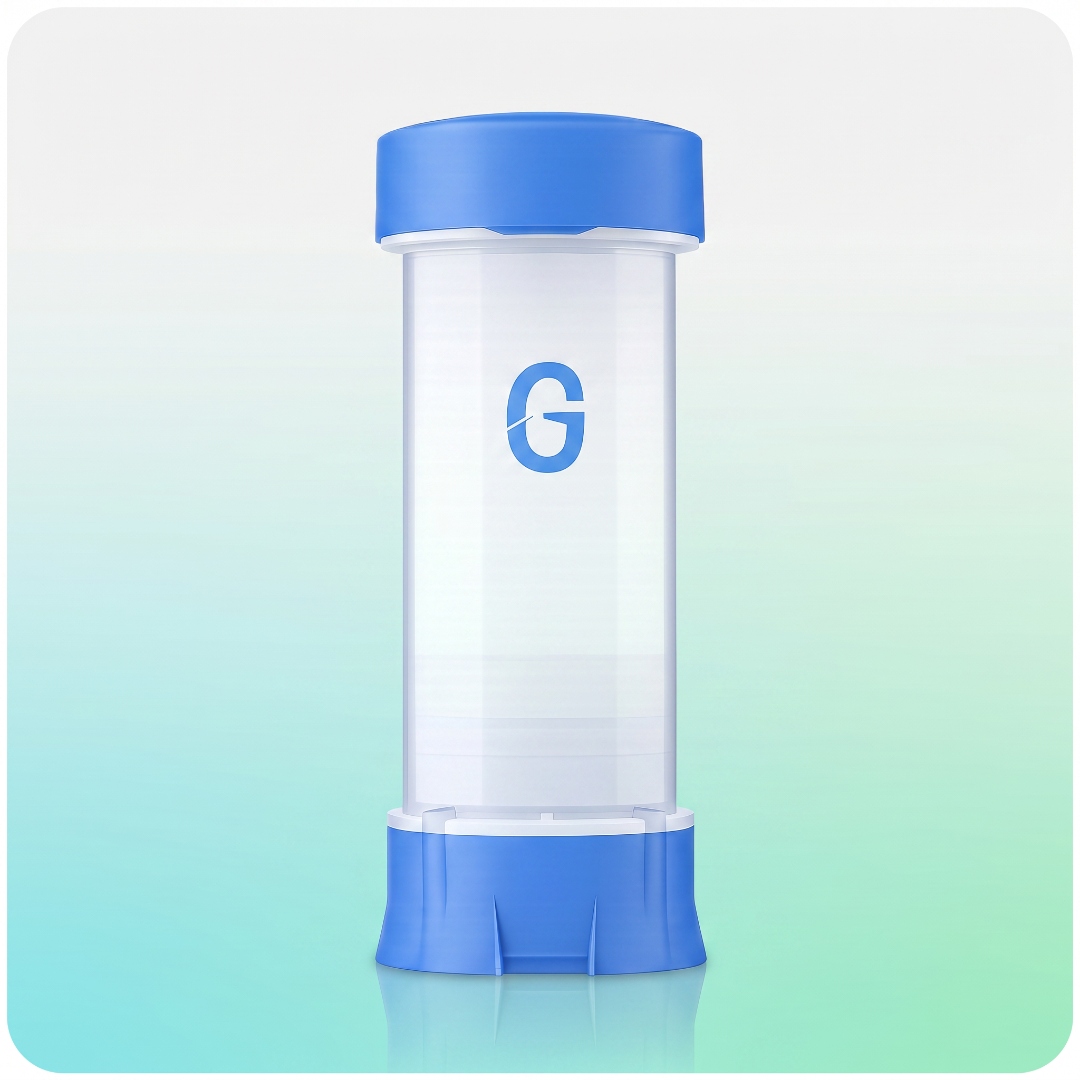
Testosterone 12/20 mg/ml (Apply 1 click (3 or 5 mg) topically QAM)
Testosterone 12/20 mg/ml (Apply 1 click (3 or 5 mg) topically QAM) is part of a prescriber-directed hormone or endocrine protocol. It should be selected based on symptoms, diagnosis, labs when appropriate, route preference, contraindications, and ongoing monitoring.
This preparation is a compounded topical testosterone cream or gel available in two concentrations (12 mg/mL and 20 mg/mL) dispensed via a metered-dose pump. Each click of the pump delivers a calibrated dose of 3 mg (from the 12 mg/mL formulation) or 5 mg (from the 20 mg/mL formulation) of testosterone. Testosterone is an endogenous androgen that supports normal male and female sexual development, libido, muscle mass, bone density, and mood. Genesis Compounding prepares this as a prescription-only, patient-specific 503A topical preparation and it is not FDA-approved as a compounded product.
| Active Ingredient | Pharmacologic Role |
|---|---|
| Testosterone 12 mg/mL or 20 mg/mL | Endogenous androgen hormone that binds androgen receptors to support sex characteristics, libido, muscle anabolism, bone density, and mood in hypogonadal patients. |
Applied topically to the skin once daily in the morning (QAM) using a metered-dose pump. Apply one click (delivering 3 mg from the 12 mg/mL pump or 5 mg from the 20 mg/mL pump) to clean, dry skin on the inner arm, shoulder, upper arm, or other site as directed by the prescriber. Allow the application area to dry completely before covering with clothing. Wash hands after application. Avoid skin-to-skin transfer to partners or children—cover the site or shower before contact.
One click (1 actuation) applied topically each morning. The prescriber selects the appropriate concentration and click dose based on the patient's baseline testosterone levels, symptoms, and clinical goals.
- Starting doses are typically low and titrated upward based on serum testosterone levels drawn 2–4 hours post-application (steady-state achieved after ~7 days of daily use).
- Target total testosterone levels and free testosterone levels are prescriber-determined.
- Final dose is individualized; do not self-adjust dose without prescriber guidance.
- Testosterone: Following transdermal absorption, testosterone binds to intracellular androgen receptors (AR) in target tissues. The testosterone-AR complex translocates to the nucleus, where it modulates transcription of androgen-responsive genes involved in protein anabolism, erythropoiesis, secondary sex characteristics, and hypothalamic-pituitary-gonadal axis feedback. In peripheral tissues, testosterone is also converted to dihydrotestosterone (DHT) via 5α-reductase (a more potent AR agonist) and to estradiol via aromatase.
Topical testosterone is indicated for testosterone deficiency (hypogonadism) in men and may be used off-label at lower doses for female androgen insufficiency, low libido, or fatigue associated with hormonal decline. Clinical applications include primary and secondary hypogonadism in males, and prescriber-directed female hormone optimization.
Monitoring parameters:
- Serum total and free testosterone (2–4 hours post-application at steady state)
- Hematocrit/hemoglobin (risk of polycythemia)
- Prostate-specific antigen (PSA) in men over 40 at baseline and periodically
- Lipid panel and liver function tests as clinically indicated
- Signs of virilization in female patients
- Skin transfer precautions in households with women, children
Contraindications:
- Known or suspected prostate or breast cancer
- Pregnancy (Category X—teratogenic, virilizing)
- Hypersensitivity to testosterone or any excipient
Warnings & Precautions:
- Secondary exposure risk: children and women may develop adverse effects from skin-to-skin transfer; cover application site or shower before close contact
- Polycythemia: monitor hematocrit; reduce dose or hold if significantly elevated
- Cardiovascular risk: increased risk of adverse cardiovascular events; use with caution in patients with cardiovascular disease
- Edema and fluid retention in patients with preexisting cardiac, renal, or hepatic disease
- Suppression of spermatogenesis with prolonged use; not appropriate for men seeking fertility preservation (consider enclomiphene instead)
- Acne, oily skin, and androgenic alopecia
Drug Interactions:
- Anticoagulants (warfarin): androgens may potentiate anticoagulant effect; monitor INR
- Insulin and hypoglycemic agents: androgens may reduce blood glucose; adjust doses as needed
- Corticosteroids: additive edema risk
Common Side Effects: Application site reactions (dryness, irritation), acne, increased body/facial hair, increased hematocrit, mood changes, and decreased sperm production in men.
Store at room temperature (15–30°C / 59–86°F). Keep away from heat, open flame, and direct light. Keep pump tightly capped when not in use. Do not freeze. Use within the beyond-use date assigned by Genesis Compounding. Keep out of reach of children.
How do I use the pump correctly?
Prime the pump per pharmacy instructions before first use. Apply exactly one click each morning to clean, dry skin on the recommended site (inner arm, upper arm, or shoulder). Let the gel or cream dry fully before dressing. Wash hands immediately after applying.
Can my partner or child be exposed to this medication?
Yes—accidental skin-to-skin transfer can expose others to testosterone. Cover the application site with clothing or shower before close contact. Keep children away from treated skin areas.
Is this FDA-approved?
This is a 503A compounded preparation specific to your prescription and not FDA-approved as a compounded product. FDA-approved testosterone gels are commercially available; compounding allows customized concentrations and dosing.
How will my levels be checked?
Serum testosterone is typically drawn 2–4 hours after applying the morning dose at steady state (after at least 7 consecutive days of use). Your prescriber will adjust the dose based on results and symptom response.
What are the most important side effects to report?
Report increased hematocrit (detected on labs), significant acne, mood changes, signs of prostate symptoms (in men), or virilization (in women) to your prescriber promptly.
Clinical References
Authoritative sources reviewed in preparing this clinical summary. Provided for prescriber reference; not a substitute for the prescriber’s clinical judgment.
Partner with Genesis Compounding
Join a PCAB-accredited 503A compounding pharmacy licensed in all 50 states. Complete onboarding in minutes and start prescribing personalized, compliant formulations for your patients.