
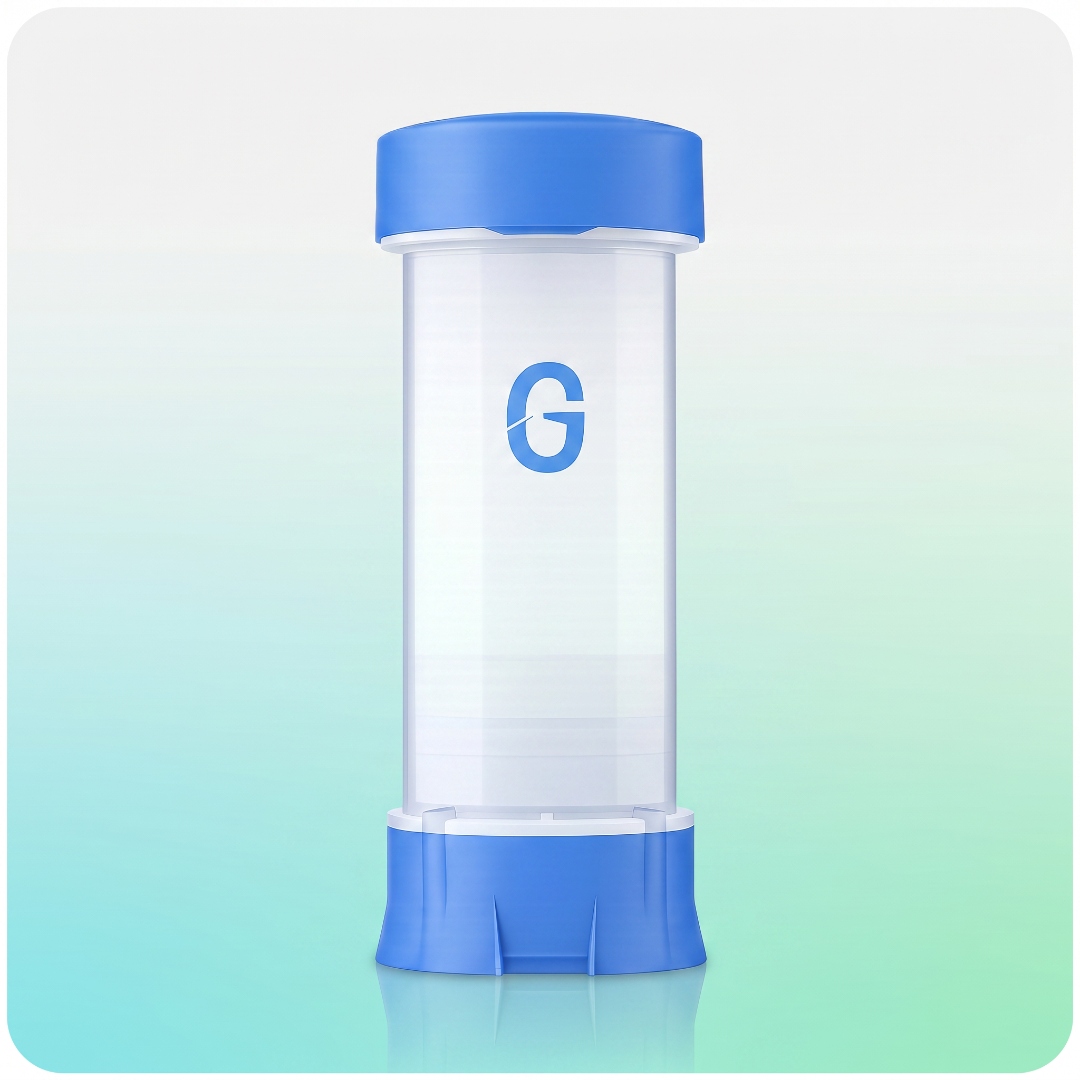
Testosterone 50mg, 100mg, 150mg, 200mg (Apply 1 to 4 clicks topically QAM)
Testosterone 50mg, 100mg, 150mg, 200mg (Apply 1 to 4 clicks topically QAM) is part of a prescriber-directed hormone or endocrine protocol. It should be selected based on symptoms, diagnosis, labs when appropriate, route preference, contraindications, and ongoing monitoring.
This preparation is a compounded topical testosterone cream or gel dispensed via a metered-dose pump, with each pump actuation delivering a calibrated dose. The formulation is available in concentrations that allow delivery of 50 mg, 100 mg, 150 mg, or 200 mg per application (1 to 4 clicks), providing a wide titration range for individualized androgen replacement. Testosterone is the principal endogenous androgen governing male sexual development, libido, muscle anabolism, and erythropoiesis. Genesis Compounding prepares this as a prescription-only, patient-specific 503A compounded preparation and it is not FDA-approved as a compounded product.
| Active Ingredient | Pharmacologic Role |
|---|---|
| Testosterone (50–200 mg per application) | Endogenous androgen that activates nuclear androgen receptors to maintain male sexual function, muscle mass, bone density, and secondary sex characteristics. |
Applied topically once daily in the morning (QAM) via a metered-dose pump. Apply 1 to 4 clicks as prescribed to clean, dry skin on the upper arm, inner arm, shoulder, or prescriber-specified site. Allow the application to dry fully before covering with clothing. Wash hands thoroughly after use. Avoid direct skin contact with the treated area by partners or children until the area is dry or covered.
Dose is prescribed as 1, 2, 3, or 4 clicks (corresponding to 50, 100, 150, or 200 mg) applied once daily each morning. Clinician adjusts the number of clicks based on serum testosterone levels, symptom response, and hematocrit.
- Serum testosterone is typically drawn 2–4 hours after the morning application at steady state (approximately 7 days).
- Target levels and titration schedule are individualized by the prescriber.
- Do not self-adjust the number of clicks without prescriber instruction.
- Testosterone: Transcutaneously absorbed testosterone binds cytosolic androgen receptors (AR) in target tissues (muscle, bone, skin, CNS, pituitary). The AR-testosterone complex dimerizes, enters the nucleus, and binds androgen response elements (AREs) to regulate genes involved in protein synthesis, erythropoiesis, bone mineral density, and negative feedback to the HPG axis. Peripheral conversion to DHT (via 5α-reductase) and estradiol (via aromatase) contributes to the full spectrum of androgenic and estrogenic effects.
Higher-dose topical testosterone formulations are primarily used for male hypogonadism where higher transdermal testosterone delivery is required to achieve eugonadal levels. Clinical applications include primary hypogonadism (testicular failure), secondary hypogonadism (hypothalamic/pituitary dysfunction), and age-related testosterone decline (late-onset hypogonadism).
Monitoring parameters:
- Total and free serum testosterone at steady state (peak level 2–4 hours post-application)
- Hematocrit/hemoglobin every 3–6 months (withhold or reduce dose if Hct >54%)
- PSA and digital rectal exam in men ≥40 years old
- Lipid panel and cardiovascular risk assessment
- Bone mineral density in patients with long-standing hypogonadism
Contraindications:
- Known or suspected prostate or male breast cancer
- Pregnancy (teratogenic, virilizing)
- Hypersensitivity to testosterone or excipients
Warnings & Precautions:
- Secondary exposure: cover treated area or shower before contact with women or children
- Polycythemia: monitor hematocrit periodically
- Venous thromboembolism risk with elevated hematocrit
- Cardiovascular events: use caution in patients with established cardiovascular disease
- Edema and fluid retention in patients with cardiac, renal, or hepatic disease
- Suppression of spermatogenesis with chronic use
- Abuse potential (Schedule III controlled substance)
Drug Interactions:
- Warfarin: enhanced anticoagulant effect; monitor INR closely
- Insulin/hypoglycemics: reduced insulin requirements possible
- Corticosteroids: additive fluid retention
Common Side Effects: Acne, oily skin, increased body/facial hair, application site irritation, increased hematocrit, mood changes, decreased testicular size and sperm count with chronic use.
Store at room temperature (15–30°C), away from heat sources and open flame. Keep the pump tightly capped. Do not freeze. Use within the beyond-use date established by Genesis Compounding. Keep out of reach of children and pets.
Why is the dose measured in clicks?
The metered-dose pump delivers a precise, reproducible amount of testosterone with each actuation (click), allowing the prescriber to titrate your dose in incremental steps from 50 mg to 200 mg per day without requiring separate formulations.
When should I apply this medication?
Apply one dose each morning (QAM) to clean, dry skin. Morning application mirrors the natural diurnal peak in testosterone levels.
How do I prevent exposing others?
Wash hands immediately after applying, and cover the treated area with clothing before contact with others. If direct contact is unavoidable, shower first. Women and children must not come into contact with treated skin.
Is this medication FDA-approved?
This is a 503A compounded preparation. The FDA has approved commercially formulated topical testosterone products; this compounded version allows a customized dose range not available in standard products.
What lab tests are needed?
Serum testosterone (2–4 hours post-application), hematocrit, PSA (in men), and a lipid panel are recommended at baseline and periodically during therapy per your prescriber's schedule.
Clinical References
Authoritative sources reviewed in preparing this clinical summary. Provided for prescriber reference; not a substitute for the prescriber’s clinical judgment.
Partner with Genesis Compounding
Join a PCAB-accredited 503A compounding pharmacy licensed in all 50 states. Complete onboarding in minutes and start prescribing personalized, compliant formulations for your patients.